Overview
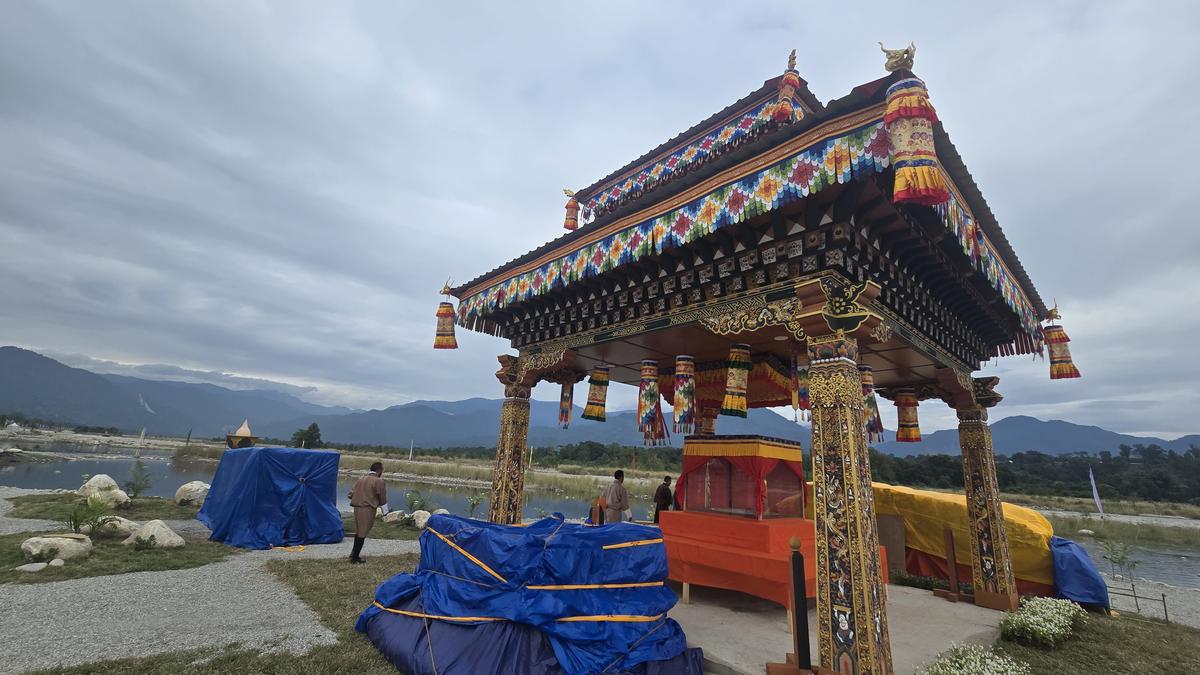
In a historic move, the Kingdom of Bhutan announced that it will enshrine India‑linked Buddha relics in 108 newly constructed chortens across the country. The initiative is part of the broader plan to develop Gelephu Mindfulness City, a spirituality‑driven hub aimed at attracting global investment.
Key Developments
- The chortens will be erected simultaneously to symbolize unity and spiritual continuity.
- Each stupa is intended to house relics that have been traced back to India, reinforcing cultural ties between the two nations.
- King Jigme Wangchuk emphasized that the project serves as a “test of national character” and a cornerstone for the city’s spiritual ethos.
"This is a test of national character," King Jigme Wangchuk said during the announcement.
Background & Context
Bhutan has long positioned Buddhism at the heart of its national identity. The new project builds on past efforts to protect and promote Buddhist heritage, such as the preservation of ancient monasteries in Paro and Punakha. By linking relics to India, the initiative also reflects the shared religious history between the two Himalayan neighbors.
Impact & Analysis
- Cultural Significance: Strengthens Bhutan’s Buddhist heritage and deepens ties with India.
- Economic Potential: Gelephu Mindfulness City could become a magnet for spiritual tourism, generating revenue for local communities.
- Political Message: Signals Bhutan’s commitment to preserving national identity amid globalization.
- Regional Influence: May inspire similar heritage projects across West Bengal, especially in Buddhist pilgrimage sites like Bodh Gaya.
What Happens Next
The chortens will be constructed over the next eighteen months, with the first batch expected to be completed by late 2026. An official ceremony will mark the inauguration of the stupa complex, likely involving representatives from both Bhutan and India. The government will monitor the project’s progress through quarterly reports to ensure adherence to cultural preservation standards.