
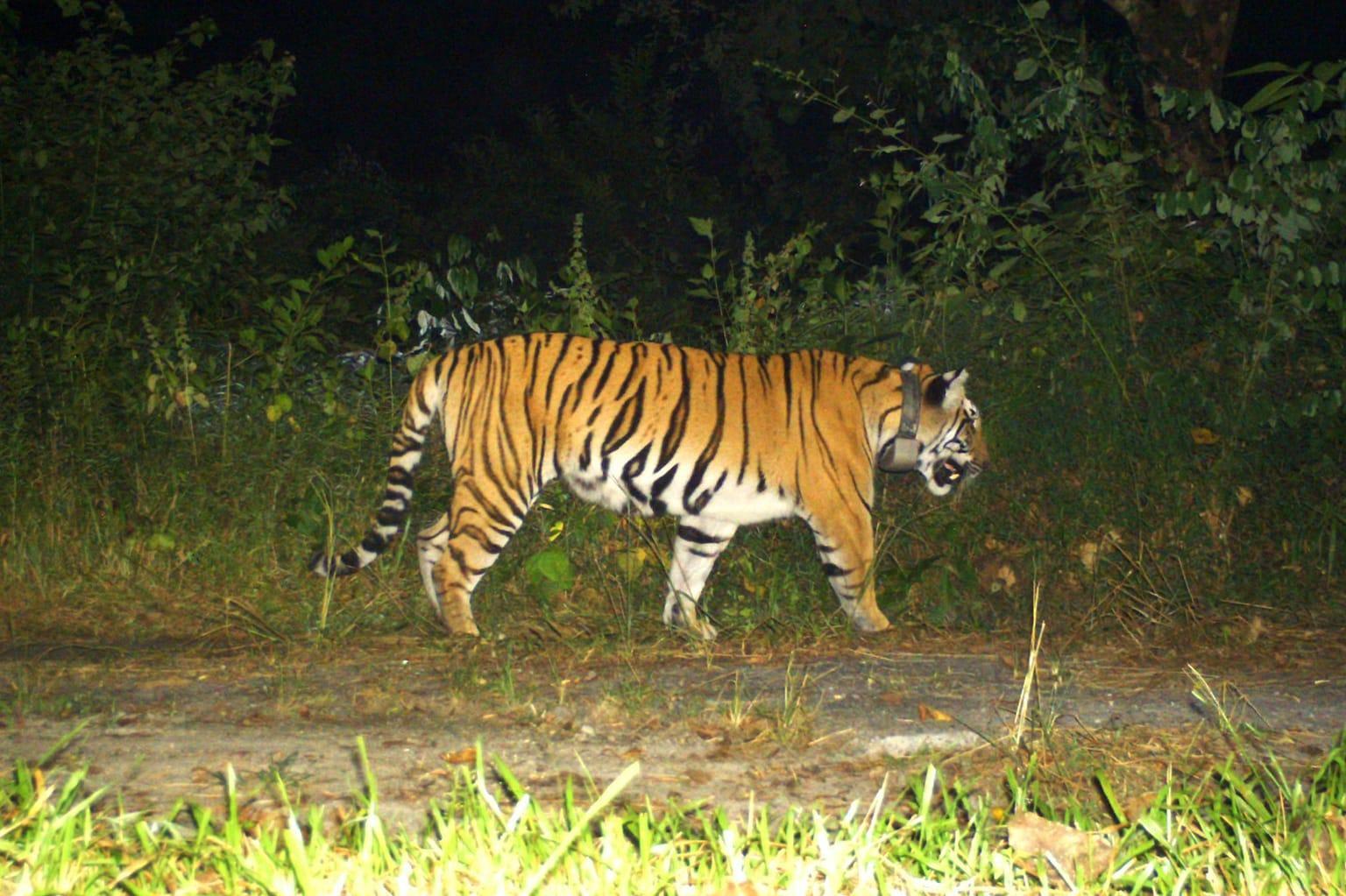
In the Buxa Tiger Reserve, officials closely observed a tigress over a span of two days before initiating her capture. The operation, conducted by the West Bengal Forest Department in partnership with wildlife conservation experts, sought to relocate the tiger to a secure sanctuary while prioritizing her welfare.
Key Developments
- Forest officials and wildlife specialists monitored the tigress’s movements, feeding patterns, and health status.
- Data collected during the observation period informed the capture strategy, ensuring minimal stress and risk.
- The capture was executed using humane restraint techniques and a specialized vehicle designed for wildlife handling.
Background & Context
- Buxa Tiger Reserve, located in the Jalpaiguri district, is a critical habitat for Bengal tigers, facing threats from poaching and habitat encroachment.
- Recent years have seen increased poaching incidents in the region, prompting stricter surveillance and intervention measures by state authorities.
- The tiger capture reflects ongoing efforts to protect and manage the reserve’s tiger population.
Impact & Analysis
- Conservation: Securing the tigress helps maintain genetic diversity and reduces pressure on the local ecosystem.
- Public Safety: Removing a potentially dangerous animal from a populated area diminishes human-wildlife conflict risks.
- Tourism: The operation may boost visitor confidence in the reserve’s safety protocols, potentially increasing eco-tourism.
- Policy: Demonstrates the effectiveness of coordinated wildlife management strategies, encouraging similar initiatives elsewhere in West Bengal.
What Happens Next
- The tigress will be transported to a dedicated sanctuary within the state for long‑term care.
- Post‑release monitoring will continue to assess her adaptation and health.
- The Forest Department plans to review and possibly expand its monitoring protocols across other high‑risk zones in the reserve.