Overview
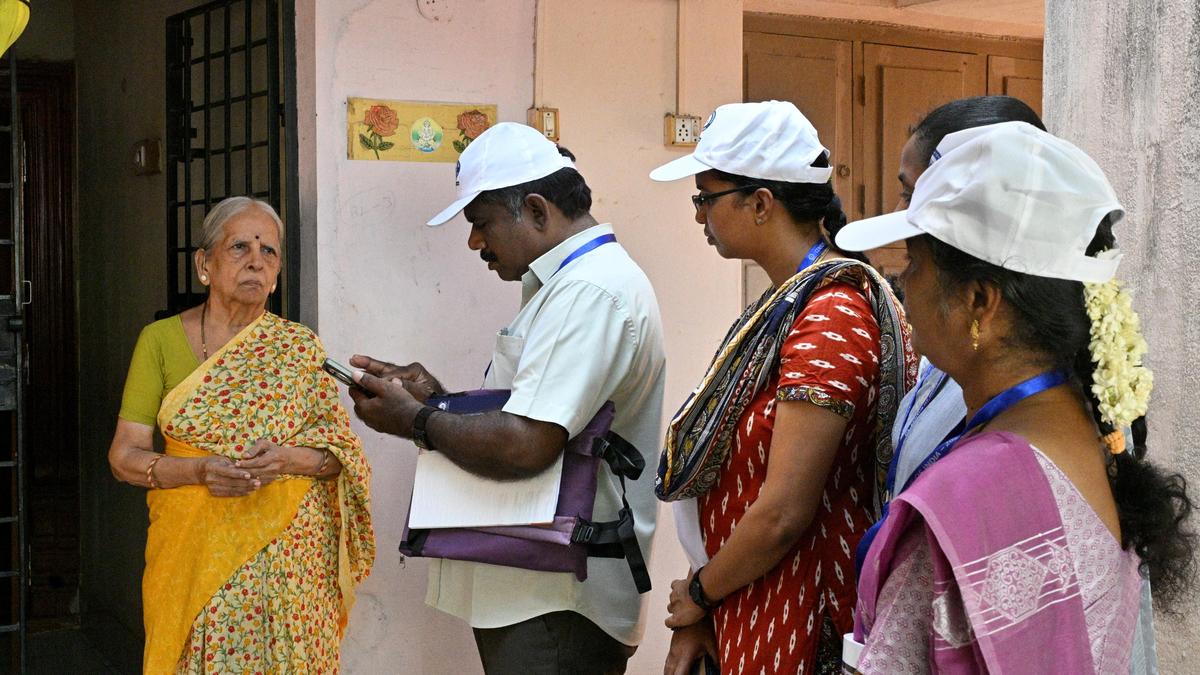
The upcoming 2027 Census in India has released a questionnaire that will be distributed across West Bengal. The form contains 40 questions, some of which seek sensitive personal data—nationality, number of bank accounts, mobile phone usage, Aadhaar and voter ID numbers—if available. Many residents and privacy advocates view this as an overreach beyond the census’s traditional role of gathering demographic information for policy and planning.
Key Developments
- The questionnaire is part of the population enumeration phase, scheduled to be rolled out across all districts of West Bengal.
- Questions now include identifiers that were not featured in previous censuses, such as Aadhaar and voter ID numbers.
- The inclusion of bank account details and mobile usage metrics represents a significant expansion of data scope.
- Several civil‑society groups have publicly expressed concerns that the data could be used for purposes other than statistical analysis.
Background & Context
The Census of India is a constitutionally mandated exercise that occurs every ten years. Its primary purpose is to collect demographic, social and economic data to inform government planning, resource allocation and policy formulation. Historically, the questionnaire has focused on basic demographic details—age, sex, literacy, employment, etc. The new 2027 edition marks a notable shift towards gathering deeper personal identifiers.
Impact & Analysis
- Privacy: Residents may fear that sensitive personal data could be exposed or misused.
- Data Integrity: Adding identifiers could complicate data cleaning and analysis, potentially affecting the reliability of census outcomes.
- Policy Planning: The core objective of using census data to shape policies could be diluted if the focus shifts towards individual identification.
- Public Trust: Perceived over‑reach may erode trust in government data collection initiatives.
What Happens Next
- The Census Office will likely review the questionnaire in response to the backlash.
- West Bengal authorities may issue clarifications or modify the survey to address privacy concerns.
- Legal experts may assess whether the data collection complies with existing privacy laws.
- The next update on the questionnaire’s status is expected in the coming weeks from the Ministry of Home Affairs and the Census Commission of India.