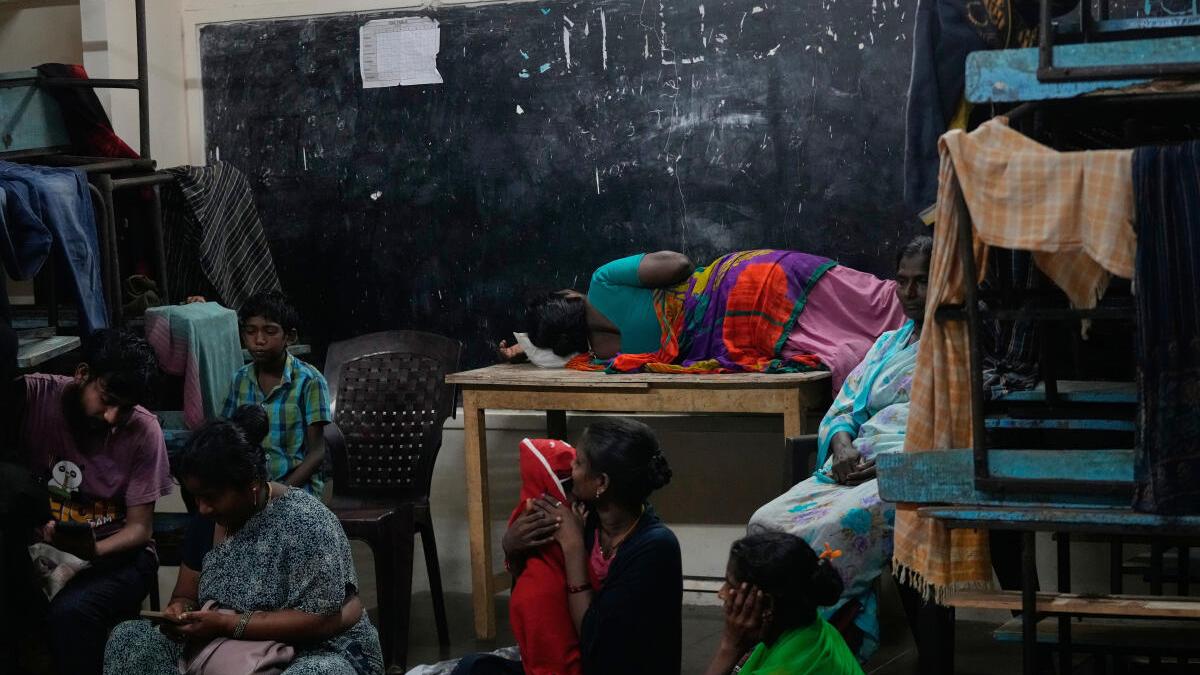
Cyclone Arnab has prompted authorities in Andhra Pradesh to shut down 609 schools in 16 coastal districts, turning them into emergency shelters for residents and refugees. 17,054 volunteers from the National Cadet Corps, National Service Scheme and the Scouts have been deployed to manage the influx of displaced people and provide basic services.
Key Developments
- Schools as Shelters: 609 schools across 16 districts were closed and repurposed as relief shelters.
- Volunteer Mobilisation: 17,054 volunteers from NCC, NSS and the Scouts were brought in to assist with shelter management, food distribution and medical aid.
- Scope of Relief: The shelters are intended to accommodate residents displaced by the cyclone’s impact on coastal communities.
Background & Context
Cyclone Arnab is a tropical system that has intensified over the Indian Ocean and is currently affecting the eastern coastline. Its projected path has led authorities in Andhra Pradesh to implement precautionary measures, including the closure of public institutions and the use of schools as emergency shelters.
Impact & Analysis
- Regional Preparedness: West Bengal’s coastal districts can draw lessons from Andhra’s rapid mobilisation of volunteers and sheltering strategies.
- Public Safety: The closure of schools ensures that children and families are kept in safe, organized environments during the cyclone.
- Resource Allocation: The use of existing infrastructure (schools) as shelters demonstrates an efficient use of available resources during emergency conditions.
What Happens Next
- Authorities will continue to monitor Cyclone Arnab’s trajectory and adjust shelter capacities as needed.
- Relief agencies will stay on standby to assist with evacuation, medical care, and supply distribution.
- Updates on the cyclone’s intensity and movement will be provided by the meteorological department at regular intervals.