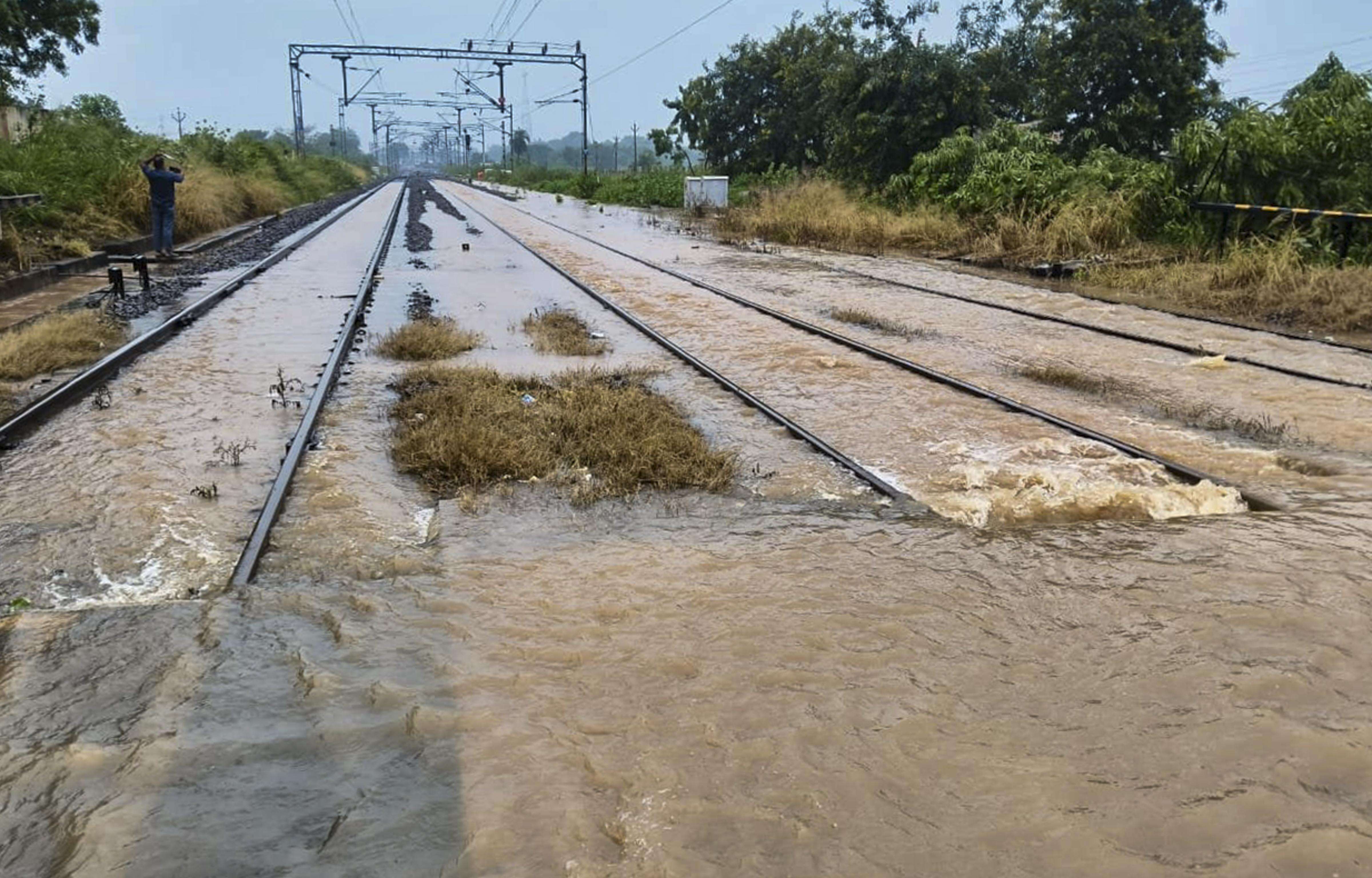
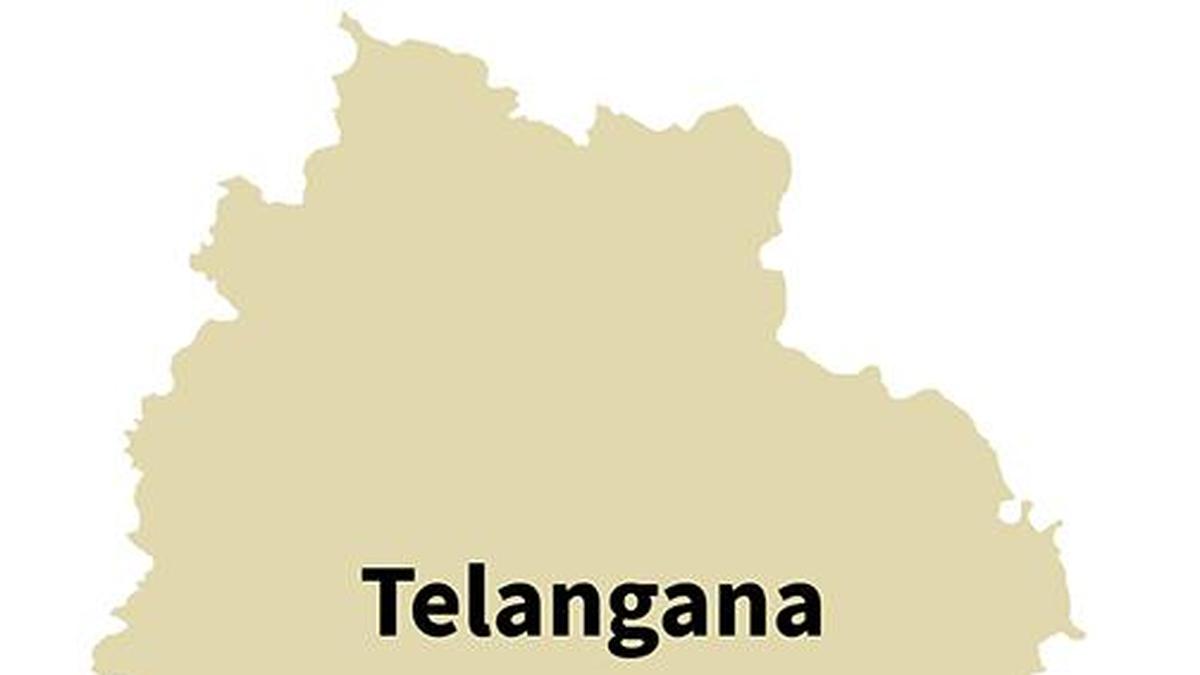
Cyclone Arnab has swept across Telangana, bringing a noticeable chill that lowered temperatures by up to 2.5 °C. The Indian Meteorological Department (IMD) issued a warning of cooler weather that could affect agriculture, transportation, and daily life across the state.
Key Developments
- Cyclone Arnab, formed over the Bay of Bengal, has moved into northern Telangana.
- The state’s temperature readings have dipped to as low as 2.5 °C below normal levels.
- The Indian Meteorological Department (IMD) has issued a Weather Warning about the cooler conditions.
- Residents have reported a sudden drop in ambient temperatures affecting daily routines.
Background & Context
Cyclone Arnab is part of the seasonal monsoon cyclonic activity that typically affects the eastern coast of India. While cyclones often bring heavy rainfall, they can also cause a temporary drop in temperatures, especially in the early morning and evening hours. The phenomenon is more pronounced in regions like Telangana where the climate is typically hot and humid.
Impact & Analysis
- Agriculture: Cooler temperatures may delay crop growth, especially for heat‑sensitive crops.
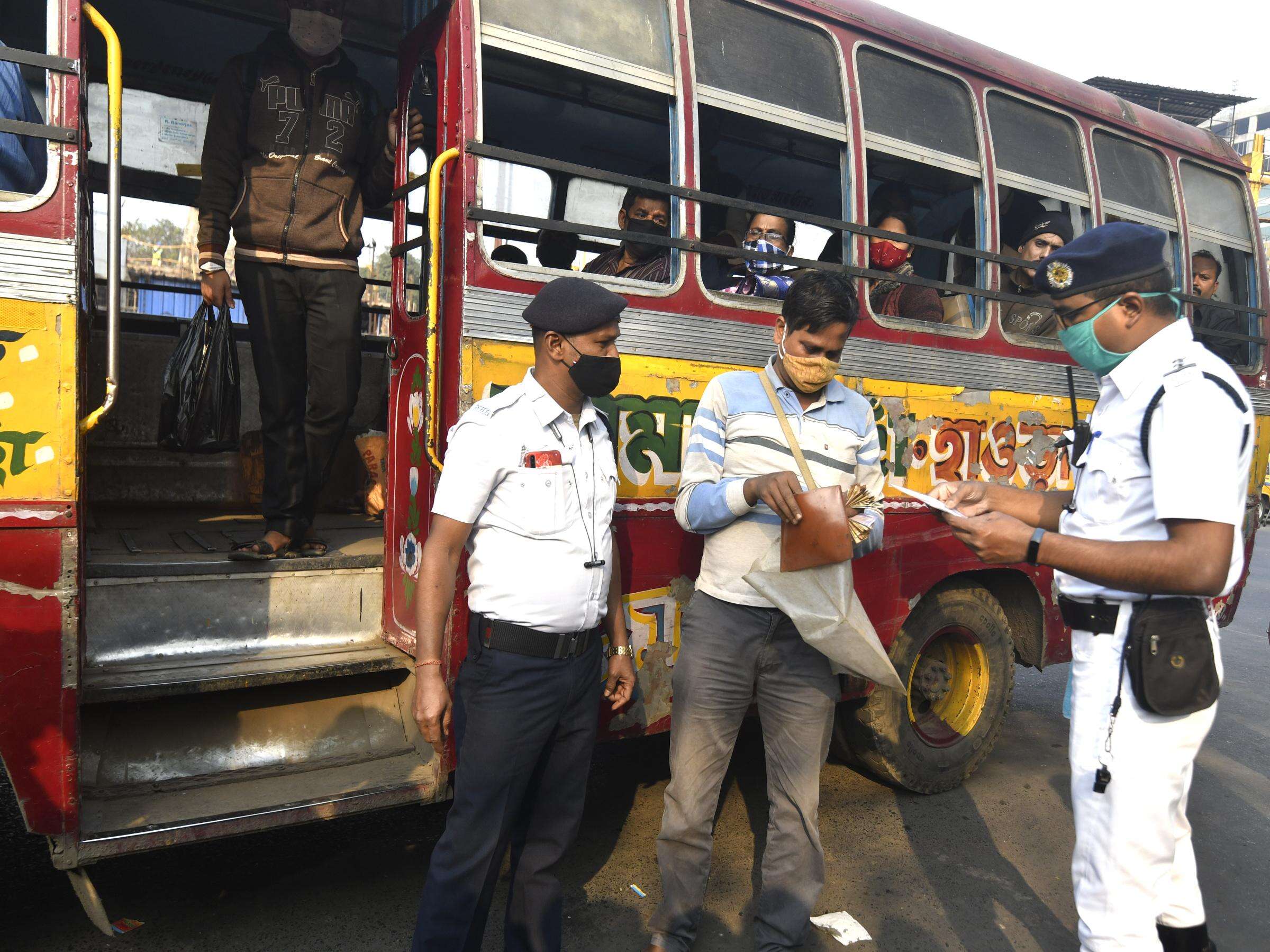
- Transportation: Lower temperatures can affect road surface conditions and vehicular performance.
- Public Health: Sudden chill may increase the risk of respiratory ailments for vulnerable populations.
- Energy: Demand for heating might rise in some areas, affecting electricity supply.
What Happens Next
The IMD will continue monitoring Cyclone Arnab’s trajectory and temperature trends. Local authorities are advised to issue advisories if conditions worsen and to prepare for potential disruptions in agriculture and transport. Residents should stay updated through official weather bulletins and local news outlets.