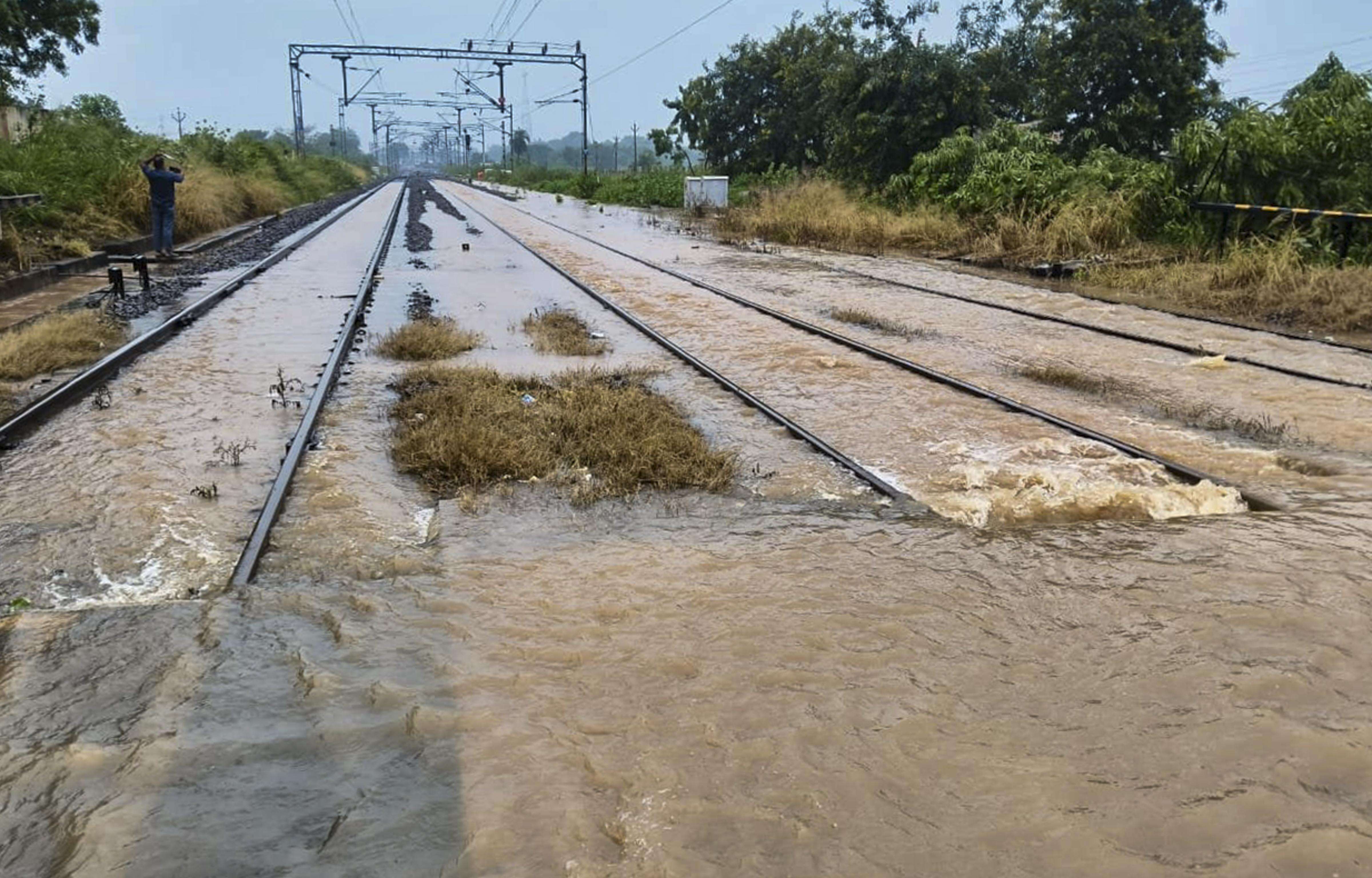

Cyclone Arnab made landfall near the coastal town of Narsapur in Andhra Pradesh today, resulting in three deaths and extensive damage to agricultural land.
Key Developments
- The storm struck the Andhra coast, with wind speeds exceeding 100 km/h.
- Three residents lost their lives in areas around Narsapur.
- Roughly 80,000 hectares of crops were reported damaged, affecting major produce such as rice and cotton.
- Chief Minister Nara Chandrababu Naidu informed Union Home Minister Amit Shah about the situation and the steps being taken for relief.
Background & Context
Cyclone Arnab was the latest of a series of storms that have battered the Indian coast in recent weeks. Meteorological warnings were issued in advance, but the storm’s rapid intensification left some coastal communities unprepared. Andhra Pradesh’s coastal districts are highly vulnerable to cyclonic activity, with a history of significant crop losses and infrastructure damage.
Impact & Analysis
- Human toll: 3 fatalities reported.
- Agricultural loss: 80,000+ hectares of crops damaged.
- Economic impact: Losses could reach billions of rupees affecting local farmers and the state economy.
- Infrastructure: Several roads and coastal structures were damaged, complicating relief efforts.
- Community response: Local authorities have begun emergency shelters and distribution of essential supplies.
What Happens Next
- The state government has declared a state of emergency for the affected districts.
- Central government officials are expected to visit the area for a coordinated relief response.
- Relief funds and seed distribution plans are being drafted to help farmers recover.
- Ongoing monitoring of the cyclone’s remnants will inform future preparedness measures.