Overview
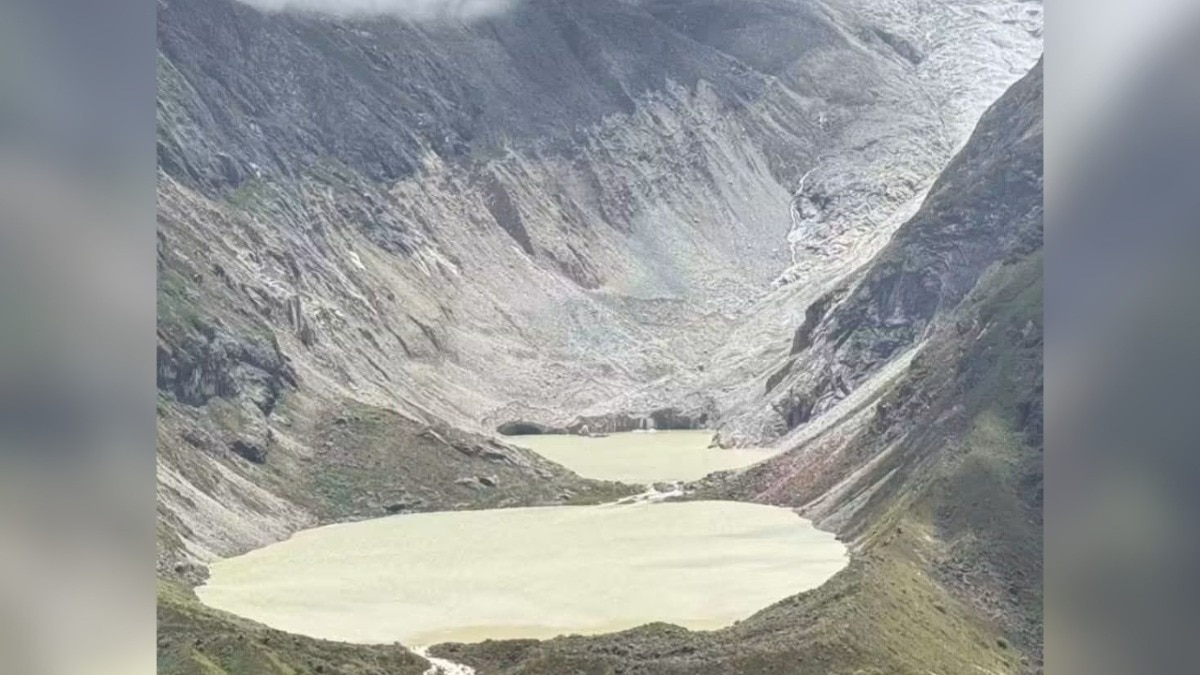
A glacial lake burst in Bhutan has raised concerns about rising water levels in the region, prompting authorities in both Assam and West Bengal to issue flood alerts for multiple districts. The event underscores the vulnerability of downstream communities to sudden glacial melt events.
Key Developments
- The outburst originated from a glacial lake in Bhutan.
- In response, the Indian state governments of Assam and West Bengal have declared flood alerts for several districts.
- Local authorities have advised residents in affected areas to remain vigilant and to prepare for potential water surges.
Background & Context
Glacial lake outbursts, or GLOFs, occur when a natural dam containing meltwater fails, releasing large volumes of water downstream. Climate change has accelerated glacier melting, increasing the frequency of such events. Historically, GLOFs have led to significant flooding and damage in Himalayan frontier states.
Impact & Analysis
- Residents: People living in low‑lying and valley regions should ensure emergency kits are ready and stay informed through local channels.
- Infrastructure: Roads, bridges, and power lines in flood‑prone districts may face risk; authorities are conducting inspections.
- Agriculture: Crops in the flood plains could be damaged; farmers are advised to safeguard their fields.
- Emergency Services: Rescue teams and disaster management units have been mobilized and are on standby.
What Happens Next
- Continuous monitoring of water levels in the glacial lake and downstream rivers will be maintained.
- Local district administrations will provide daily updates on flood risk.
- If water levels rise further, additional evacuation orders may be issued.
- National disaster management authorities will coordinate with state agencies to support relief operations if required.