BREAKING
Kolkata Ring Road Project 75% Complete, Fast-Track Link Opens Ahead of Schedule|Kolkata Metro Green Line: Commercial Services to Howrah Maidan Commence with Record Turnout|East Bengal vs Mohun Bagan: High-Voltage Kolkata Derby Scheduled for This Weekend at Salt Lake Stadium|Durga Puja 2026: North & South Kolkata Pandals Unveil Eco-Friendly Thematic Showcases|New Town Tech Corridor: Global IT Giants Announce 5,000+ New Job Openings This Quarter|Weather Alert: Pleasant Evening Breeze Forecast Across South Bengal and City Coast|Netaji Subhash Chandra Bose Airport Expands Contactless DigiYatra Terminal 2 Gates|Heritage Revival: Historic Tramway Line Recommissioning Approved by Transport Department|KMC Launches 24/7 Digital Citizen Portal for Instant Municipal Grievance Resolution|Hilsa Fish Supplies Surge in City Wholesale Markets, Bringing Relief to Consumers|Smart City Mission: Kolkata Ranks Among Top Urban Digital Centers Nationwide|Fire Safety Audit: Comprehensive Inspections Initiated Across Central Kolkata Markets|
Our Kolkata
PoliticsLIVE UPDATEVerified by OurKolkata Newsroom

High Court Bans Public Gatherings Targeting Judges, Tamil Nadu Police Directed

The Madras High Court has instructed Tamil Nadu police not to grant permission for public assemblies aimed at judges, following a public interest litigation concerning personal attacks on Justice G.R. Swaminathan. The directive, issued by Chief Justice Sushrut Arvind Dharmadhikari and Justice G. Arul Murugan, seeks to protect the judiciary and curb intimidation. The ruling may influence how police handle similar protests across West Bengal.

High Court Bans Public Gatherings Targeting Judges, Tamil Nadu Police Directed
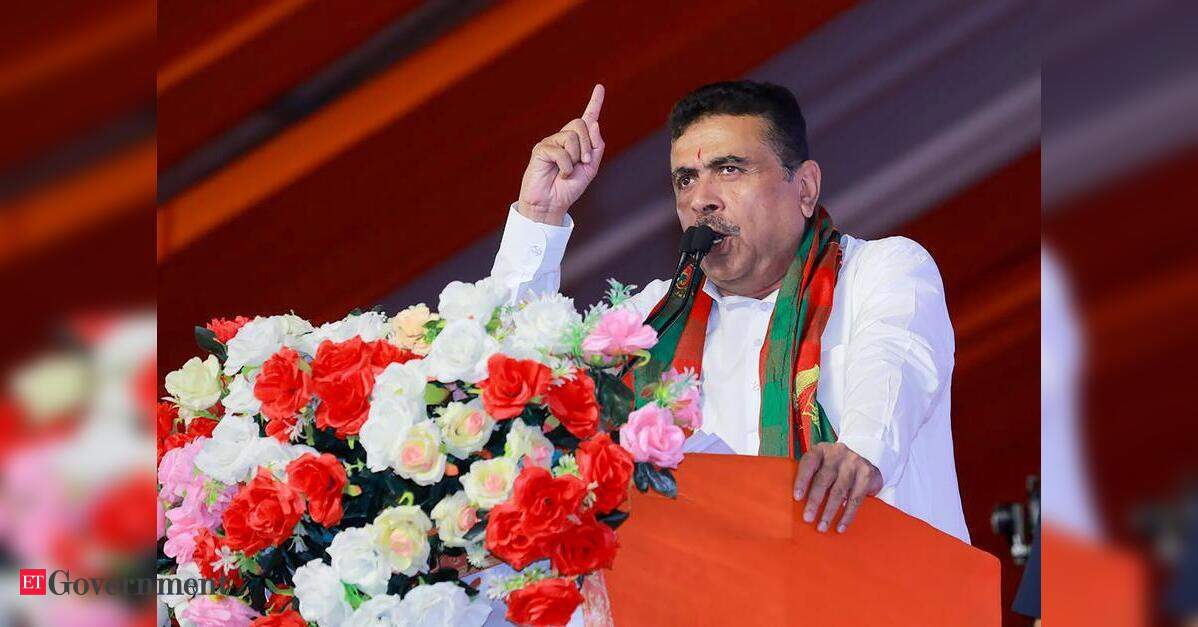
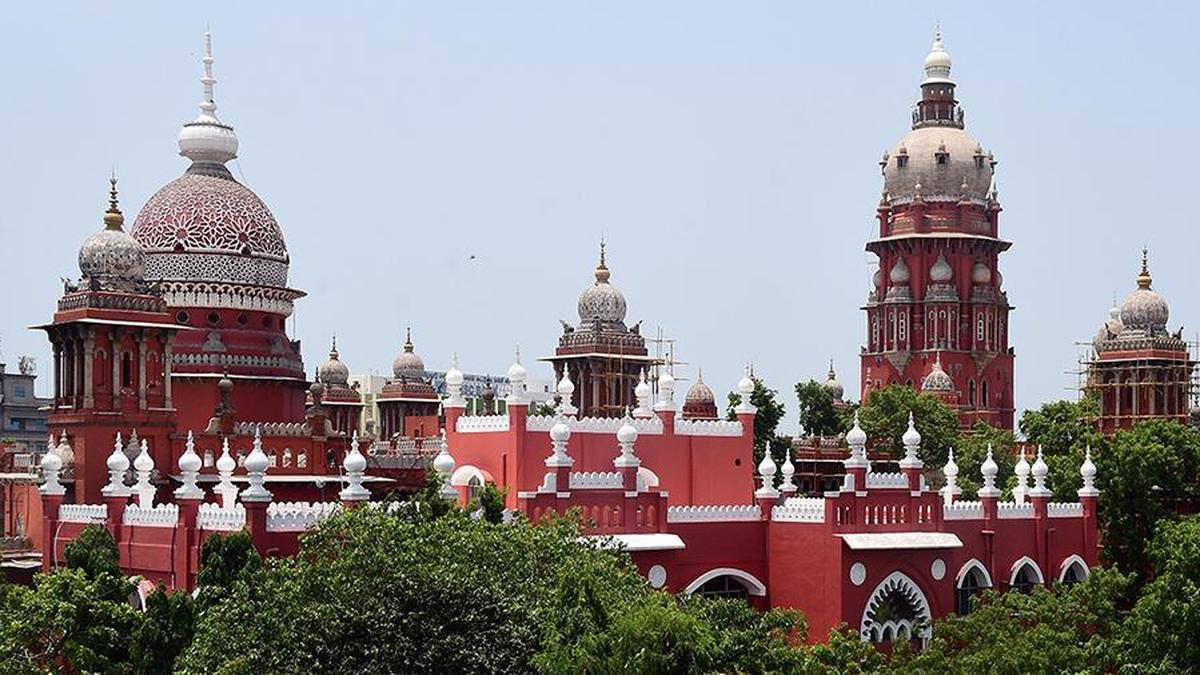
High Court Bans Public Gatherings Targeting Judges, Tamil Nadu Police DirectedPhoto via The Hindu — National

The Madras High Court has directed Tamil Nadu police to refuse permission for any public gathering that targets judges. The order follows a public interest litigation (PIL) filed over personal attacks on Justice G.R. Swaminathan. Chief Justice Sushrut Arvind Dharmadhikari and Justice G. Arul Murugan issued the direction.

Key Developments

  • The High Court’s directive applies to all public assemblies that target judges.
  • Police are instructed not to grant any permissions for such gatherings.
  • The order was issued in response to a PIL highlighting repeated attacks on Justice G.R. Swaminathan.

Background & Context

  • The PIL was filed after several incidents where the judge’s personal life and work were publicly attacked.
  • The decision reflects growing concerns over the safety of judiciary members from harassment and intimidation.
  • Similar safety provisions have been adopted in other states to protect judges.

Impact & Analysis

  • Police in Tamil Nadu will now scrutinize any request for a protest that could target judicial figures.
  • The ruling may serve as a precedent for West Bengal police to adopt stricter controls on anti-judiciary gatherings.
  • Judiciary members may feel a heightened sense of security, potentially reducing fear of public intimidation.
  • The decision could influence how civil society organizes protests against judicial decisions in West Bengal.

What Happens Next

  • Tamil Nadu police will enforce the directive and refuse permission for any qualifying gathering.
  • Legal challenges to the High Court’s order could be filed, but the court has upheld its authority.
  • The High Court may review the directive if new cases of attacks arise.
  • West Bengal’s judiciary and police departments may review their own protocols on public assemblies targeting judges.

Was this story useful?
Share on WhatsApp