Overview
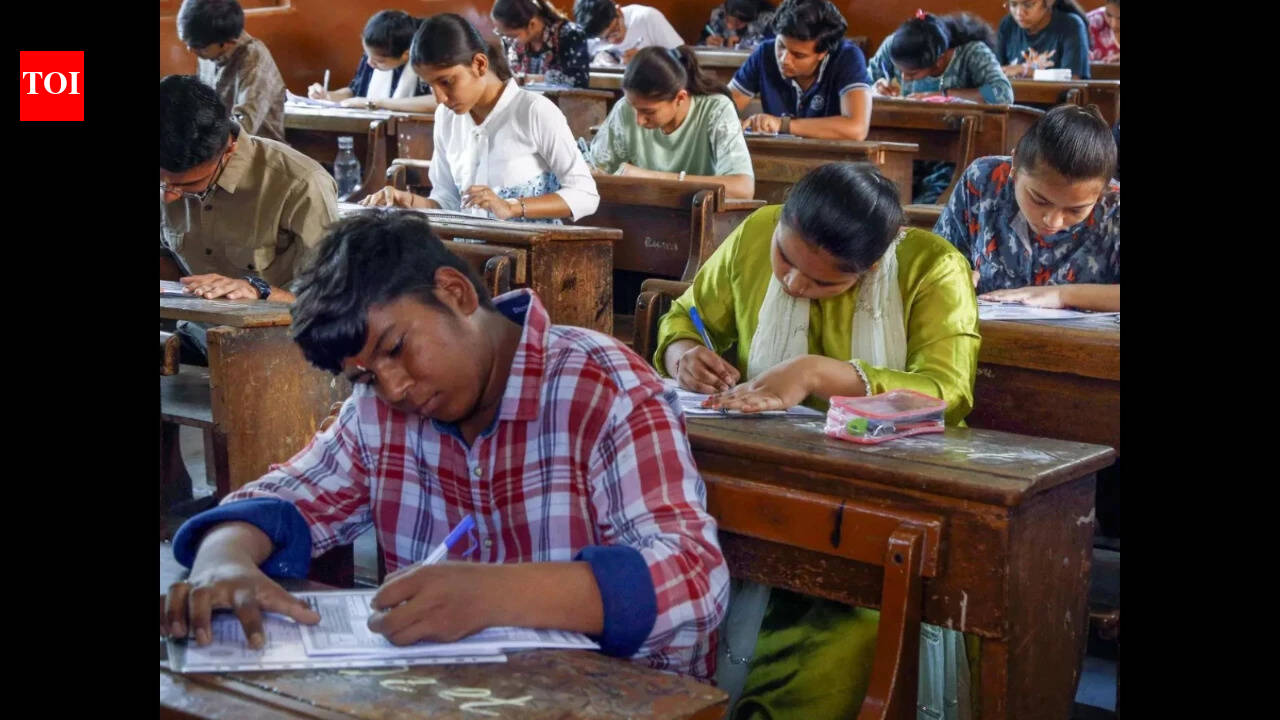
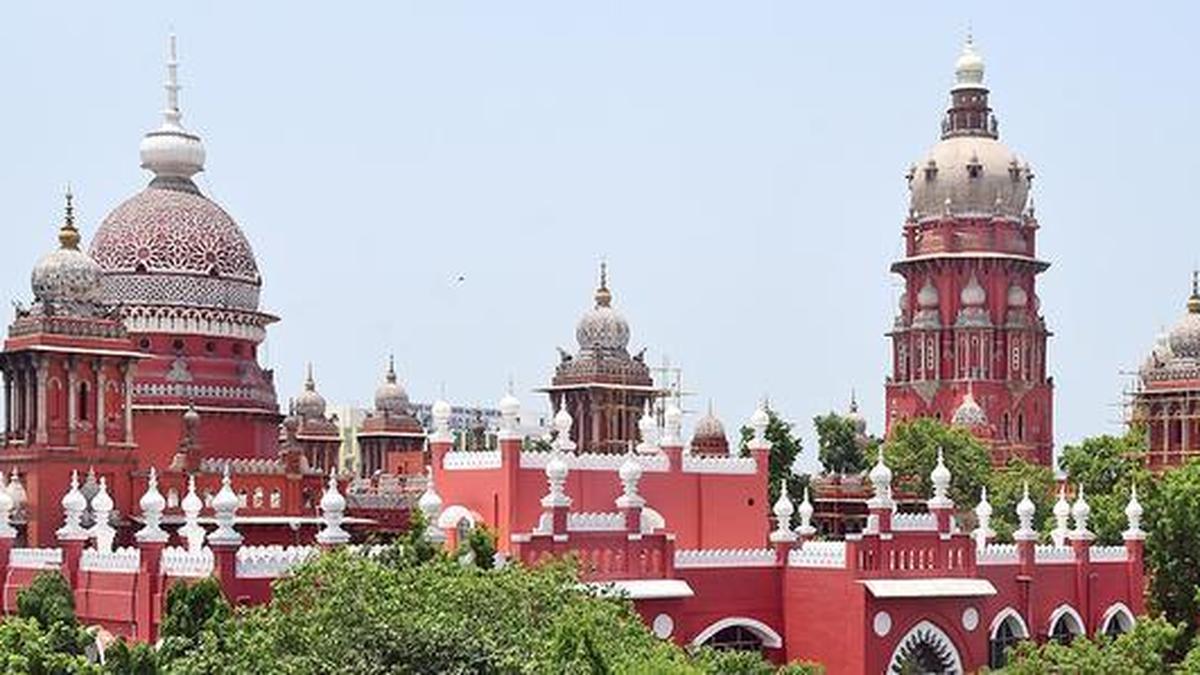
The Madras High Court, presided over by Justice N. Ramesh, raised a pivotal question regarding the sale of liquor in hotel bars and clubs located near educational institutions. The inquiry was prompted by an incident in which a 19‑year‑old college student was found consuming alcohol at a bar attached to a hotel that is reportedly run by the college’s own management.
Key Developments
- Justice N. Ramesh expressed surprise and concern over the student’s access to alcohol.
- The Court has formally asked the Commissioner of Prohibition and Excise to clarify whether any policies or regulatory measures are in place to restrict liquor sales in establishments situated in close proximity to schools and colleges.
- The query covers both hotel bars and club venues that are owned or managed by educational institutions.
"Any plan to restrict the sale of liquor in hotel bars and clubs located close to educational institutions?" Judge N. Ramesh asked, highlighting the need for clearer guidelines.
Background & Context
Under the Indian Liquor (Control) Act, state governments have the authority to regulate the sale of alcohol. Recent concerns over underage drinking and the influence of college students on nearby nightlife venues have prompted legislators to revisit licensing norms. While some states have tightened restrictions near schools, others have yet to implement concrete measures.
Impact & Analysis
- Student Safety: The incident underscores the potential risks faced by young adults near nightlife hubs.
- Regulatory Clarity: A definitive answer from the Prohibition Commissioner could set a precedent for other states, including West Bengal, to tighten controls.
- Business Implications: Hotel bars and clubs close to campuses may need to reassess their licensing and patron monitoring procedures.
- Legal Precedent: The High Court’s question may lead to judicial directives that enforce stricter age verification and location-based restrictions.
What Happens Next
- The Commissioner of Prohibition and Excise is expected to respond with a detailed report on current policies.
- The Court may schedule a hearing to discuss the findings and consider any amendments to existing liquor licensing rules.
- Stakeholders, including college administrations and local businesses, will monitor the outcome for potential adjustments to their operational protocols.
--- This development is closely watched by West Bengal authorities, who may use the findings to review their own proximity regulations around educational institutions.