Overview
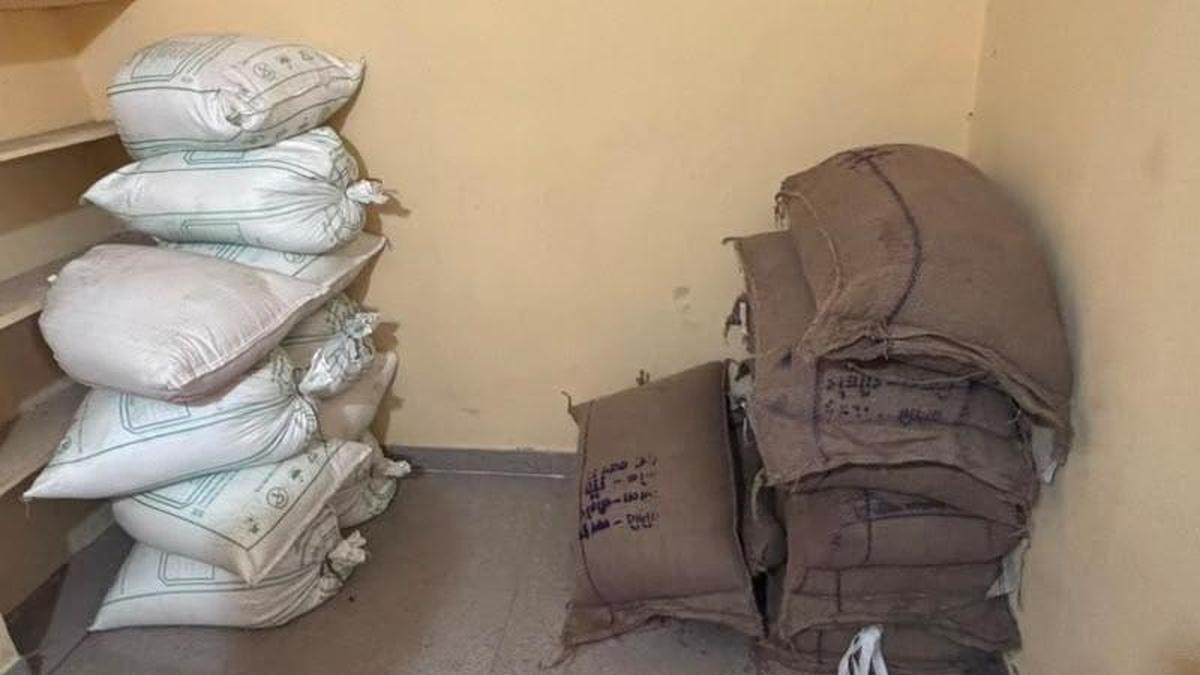
In a recent enforcement drive, the Food Safety and Standards Authority of India (FSSAI) inspected ten retail rice outlets in Hyderabad. The inspectors found that several shops were selling under‑weight rice bags and employing scales that had not been certified for accuracy, constituting a breach of food‑quality regulations.
Key Developments
- Scope of Inspection: Ten rice shops across different parts of Hyderabad were examined for compliance with FSSAI standards.
- Under‑weight Batches: The audit revealed that about 30 % of the rice bags sold were lighter than the labeled weight, with discrepancies ranging from 5 % to 15 %.
- Uncertified Scales: Five of the outlets used weighing devices that had not undergone the mandatory calibration process required by law.
- Action Taken: Each offending shop received a written notice citing the violations, a fine of ₹10,000 per incident, and an order to replace or calibrate their measuring equipment within 15 days.
- Legal Backing: The enforcement aligns with the FSSAI Act, 2006, which mandates accurate labeling and the use of calibrated scales in all food retail operations.
Background & Context
The FSSAI regularly conducts periodic checks on food retail establishments to curb malpractice that affects consumer welfare. Underweight sales and uncertified weighing devices have been identified as the most common violations in several states, prompting stricter surveillance by regulatory bodies.
Impact & Analysis
- Consumer Trust: Consumers in Hyderabad now face a higher risk of receiving lower quantities of rice than advertised, potentially inflating the effective price per kilogram.
- Market Dynamics: The irregularities may affect market prices, as shops that comply with regulations could be at a competitive disadvantage.
- Public Awareness: Food‑safety watchdogs have urged shoppers to verify the weight of rice before purchase and to report suspected violations.
- Regulatory Response: The Hyderabad Food Safety Department plans to increase on‑site inspections and to provide training for shop owners on proper weighing practices.
What Happens Next
- Compliance Deadline: All inspected shops must complete the required scale calibration or replacement by the 15th day of the month following the notice.
- Follow‑Up Inspection: A second audit will be scheduled to ensure compliance; non‑compliant outlets may face additional penalties or closure.
- Consumer Complaint Mechanism: A dedicated helpline has been set up for consumers to report underweight sales or other food‑quality concerns.
- Public Disclosure: The list of non‑compliant shops will be published on the FSSAI website to maintain transparency.
The case underscores the importance of reliable weighing equipment and accurate labeling in protecting consumer rights and maintaining fair market practices in food retail.