
BREAKING
Kolkata Ring Road Project 75% Complete, Fast-Track Link Opens Ahead of Schedule|Kolkata Metro Green Line: Commercial Services to Howrah Maidan Commence with Record Turnout|East Bengal vs Mohun Bagan: High-Voltage Kolkata Derby Scheduled for This Weekend at Salt Lake Stadium|Durga Puja 2026: North & South Kolkata Pandals Unveil Eco-Friendly Thematic Showcases|New Town Tech Corridor: Global IT Giants Announce 5,000+ New Job Openings This Quarter|Weather Alert: Pleasant Evening Breeze Forecast Across South Bengal and City Coast|Netaji Subhash Chandra Bose Airport Expands Contactless DigiYatra Terminal 2 Gates|Heritage Revival: Historic Tramway Line Recommissioning Approved by Transport Department|KMC Launches 24/7 Digital Citizen Portal for Instant Municipal Grievance Resolution|Hilsa Fish Supplies Surge in City Wholesale Markets, Bringing Relief to Consumers|Smart City Mission: Kolkata Ranks Among Top Urban Digital Centers Nationwide|Fire Safety Audit: Comprehensive Inspections Initiated Across Central Kolkata Markets|
Our Kolkata
InfrastructureLIVE UPDATEVerified by OurKolkata Newsroom

IIT Kharagpur study shows rapid warming in Jammu & Kashmir's high‑altitude areas

A new study from IIT Kharagpur indicates that the high‑altitude zones of Jammu and Kashmir are experiencing temperature rises at a faster pace than lower elevations. Researchers analyzed satellite and ground‑based data and found a noticeable warming trend over the past decade, raising concerns about glacial melt, water resources and regional ecosystems. The findings suggest that climate change impacts are more pronounced in mountainous areas, potentially affecting local communities and infrastructure.

IIT Kharagpur study shows rapid warming in Jammu & Kashmir's high‑altitude areas
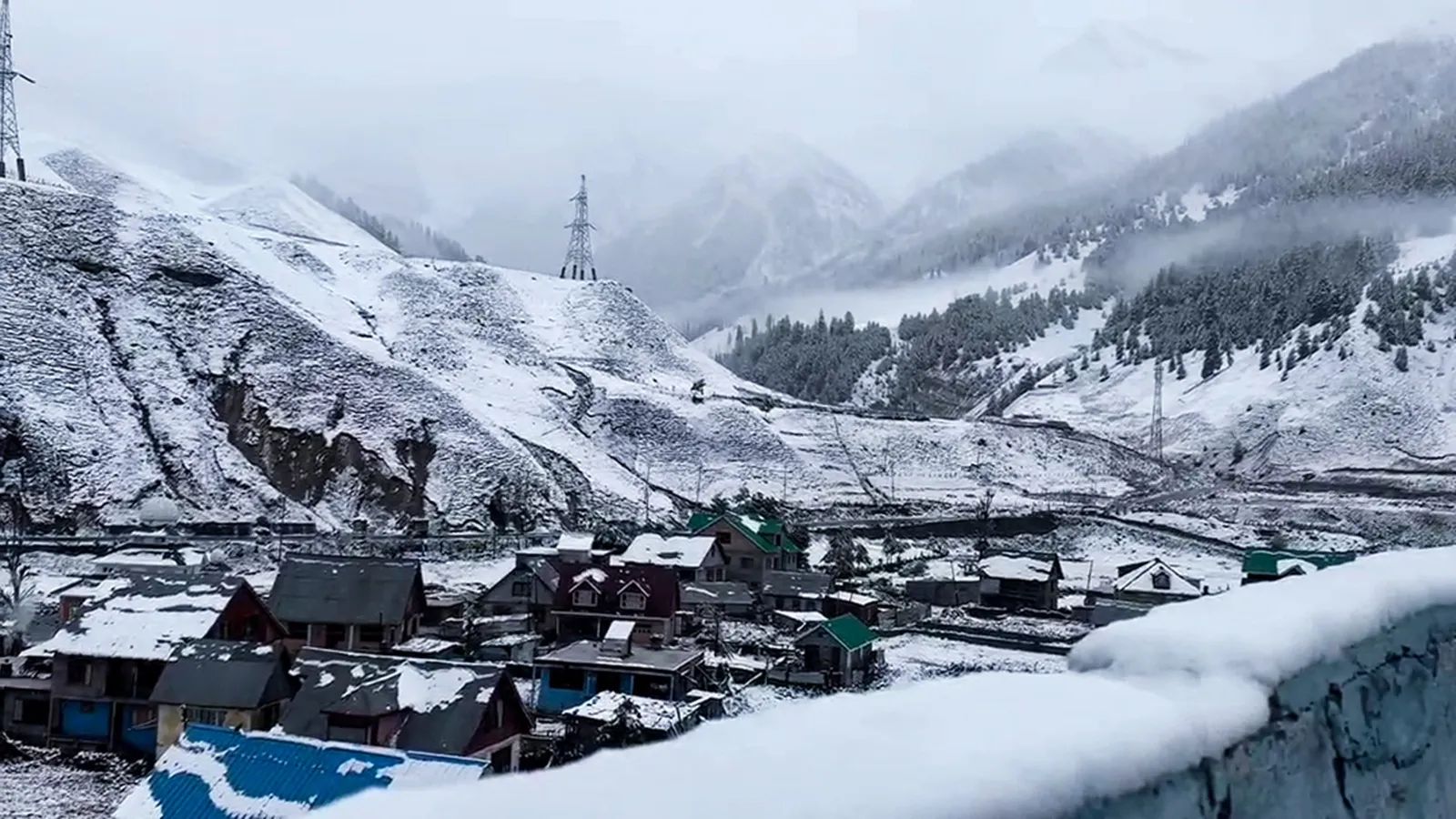
IIT Kharagpur study shows rapid warming in Jammu & Kashmir's high‑altitude areasPhoto via Indian Express — Kolkata

A recent analysis by IIT Kharagpur reveals that the mountainous regions of Jammu and Kashmir are warming more quickly than surrounding lower areas. Using satellite imagery and on‑ground measurements, scientists documented a significant rise in temperatures over the last ten years.

The accelerated warming threatens glaciers and water supplies, which are critical for the region’s agriculture and livelihoods. It also poses risks to infrastructure such as roads and bridges that are built on unstable, melting slopes.

Experts warn that the trend could lead to increased landslides and flooding, urging local authorities to incorporate climate resilience into planning. The study underscores the need for targeted adaptation strategies in high‑altitude communities.


Was this story useful?
Share on WhatsApp