The Union Government announced that October 31, the birth anniversary of India’s first Home Minister Sardar Vallabhbhai Patel, will continue to be observed as National Unity Day (Rashtriya Ekta Diwas) from 2014 onwards. The initiative is intended to foster national cohesion and celebrate the unity that Patel helped build.
Key Developments
- The observance of National Unity Day has been a government‑initiated effort since 2014.
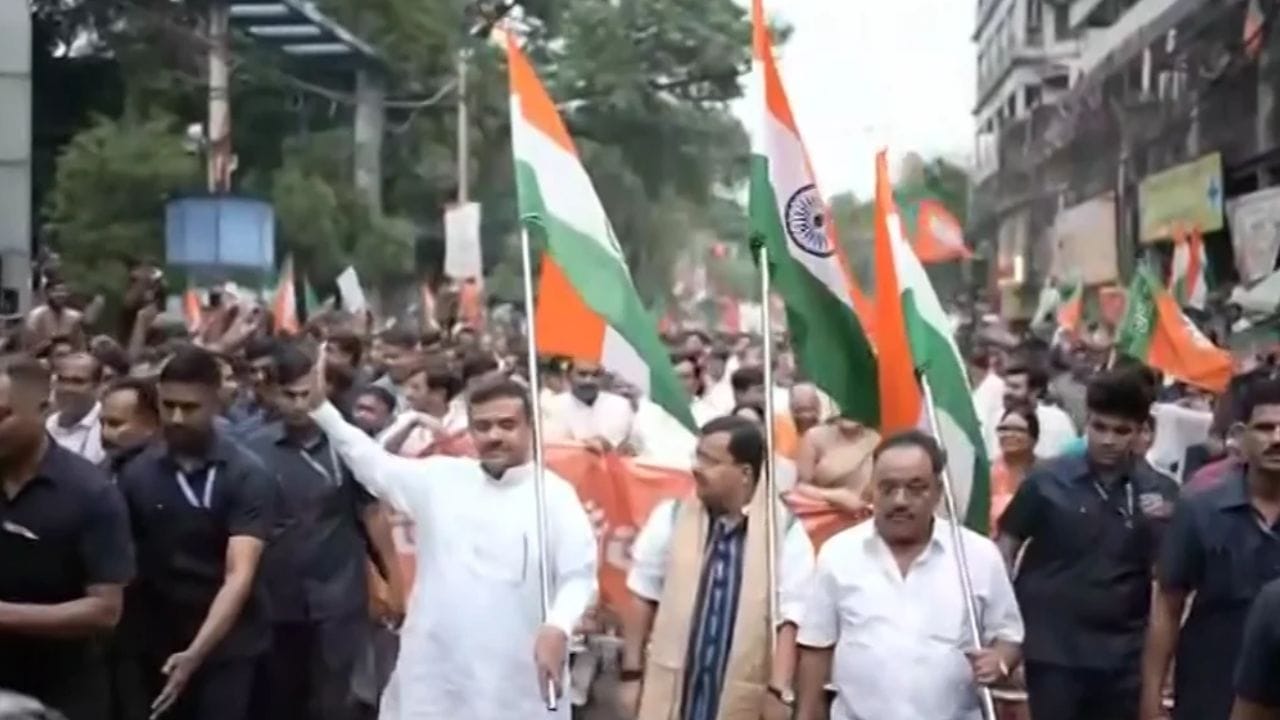
- The day is marked across the country with political speeches, cultural programmes, and community outreach activities.
- Many state governments, including West Bengal, plan local events to promote social harmony.
Background & Context
Sardar Vallabhbhai Patel, known as the “Iron Man of India,” played a pivotal role in integrating princely states into the Indian Union after independence. His strategies for national integration laid the groundwork for a unified India. The government’s decision to commemorate his birth anniversary as a national unity day reflects the ongoing importance of his legacy.
Impact & Analysis
- Public Awareness: The day raises consciousness about the need for inter‑community harmony.
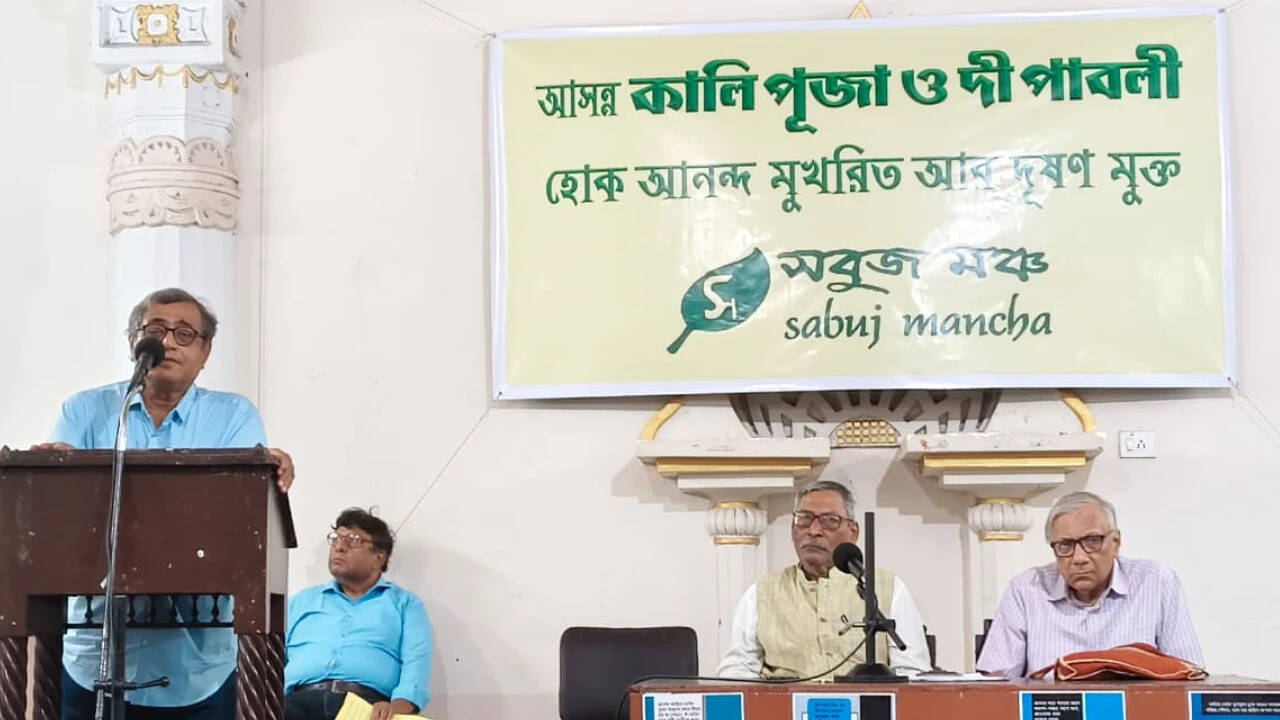
- Cultural Activities: Schools, colleges, and civic organisations across West Bengal schedule seminars, performances, and dialogue sessions.
- Political Significance: Political parties use the occasion to reinforce their commitment to national integration.
- Social Cohesion: The observance encourages dialogue between different cultural, religious, and linguistic groups.
What Happens Next
- State and local authorities will conduct cultural and educational programmes on the day.
- The Union Ministry of Home Affairs may release a detailed agenda for the celebrations.
- No specific legislative or policy changes have been announced at this time.
The observance underscores the government’s continued emphasis on unity across India’s diverse population.