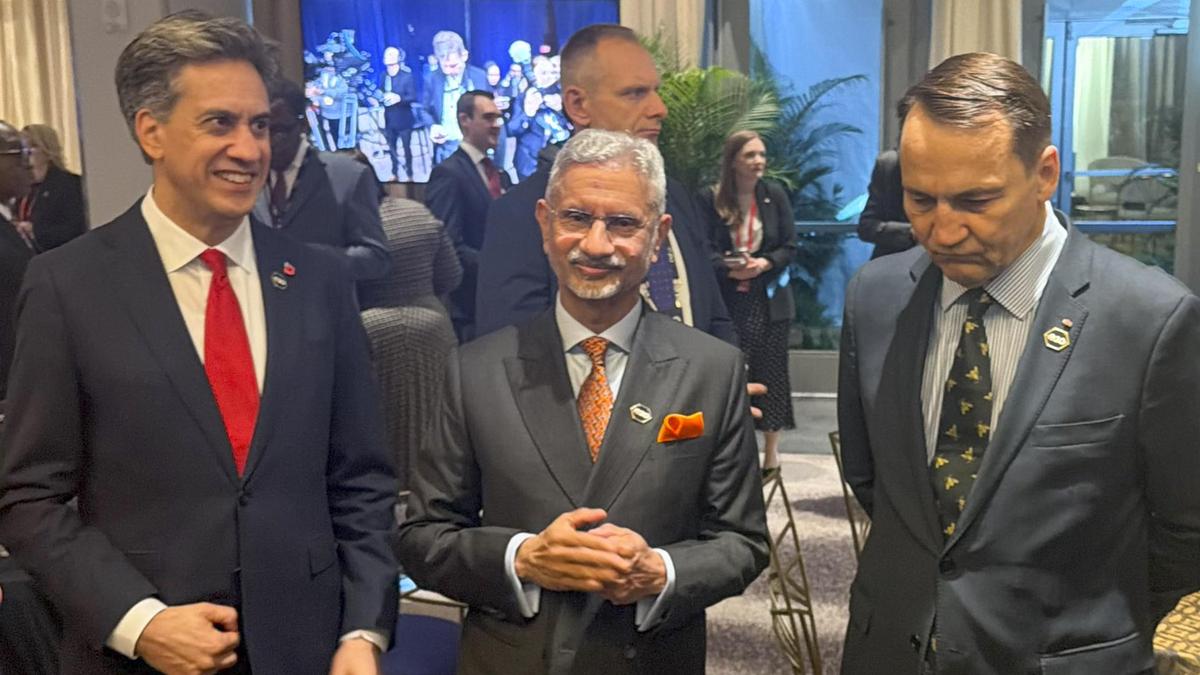
The Indian Minister of Energy spoke at a press briefing to emphasize the mounting disruptions in global energy markets caused by sanctions, obstacles and chokepoints. He warned that these distortions are occurring more frequently and with greater complexity, leading to broader impacts on supply and pricing.
Key Developments
- The minister identified sanctions, logistical obstacles and strategic chokepoints as the primary drivers of market distortion.
- He noted that the frequency of disruptions has increased, alongside a rise in their complexity and overall impact on global trade flows.
- The statement was issued amid ongoing geopolitical tensions that have intensified pressure on energy supply chains.
Quote
"Continuous distortions of energy markets through obstacles, sanctions and chokepoints are happening with increasing frequency, greater complexity and wider impact."
Background & Context
India is one of the world’s largest energy consumers, and its supply chains are tightly linked to global oil and gas markets. Recent sanctions on major producers and strategic chokepoints in key shipping lanes—such as the Strait of Hormuz—have already strained supply routes. The minister’s remarks come as global energy prices have remained volatile, prompting governments and corporations to reassess their sourcing strategies.
Impact & Analysis
- Higher Energy Prices: Greater market uncertainty can push up domestic fuel costs, affecting households and businesses.
- Supply Chain Uncertainty: Disruptions may delay imports of refined products and natural gas, impacting industry and power generation.
- Policy Scrutiny: The statement invites closer scrutiny of India’s energy procurement and diversification strategies, especially in West Bengal’s power sector.
- Investor Confidence: Persistent volatility may deter foreign investment in energy infrastructure projects within the state.
What Happens Next
- No immediate policy action was announced following the statement.
- Indian authorities are expected to monitor the situation closely and may seek coordination with international partners to mitigate risks.
- Further updates are likely from the Ministry of Energy as global market conditions evolve.