
Overview
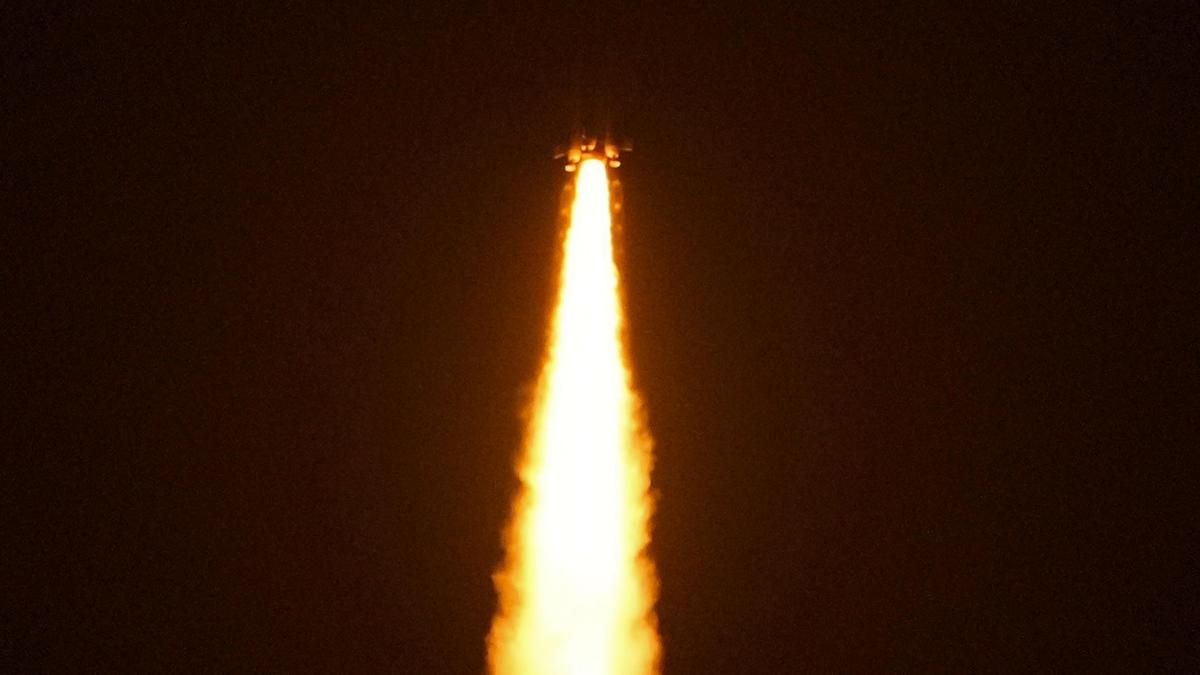
Indian Space Research Organisation (ISRO) carried out a successful launch of the NVS‑03 satellite, the third payload in the next‑generation Indian Regional Navigation Satellite System (IRNSS). The 2250‑kg satellite was deployed from Satish Dhawan Space Centre, marking a significant milestone in India’s navigation satellite programme.
Key Developments
- NVS‑03 is the third satellite of the next‑generation IRNSS constellation.
- Weight of the satellite is 2250 kg.
- The launch was part of ISRO’s effort to provide continuity of navigation services across the Indian sub‑continent.
- The satellite will join the existing IRNSS fleet to enhance coverage and reliability.
Background & Context
The Indian Regional Navigation Satellite System, also known as NAVIC, provides accurate position, navigation and timing services to users within India and the surrounding region. ISRO’s next‑generation satellites are designed to improve signal quality, increase redundancy, and extend the operational lifespan of the constellation. NVS‑03 follows the earlier satellites NVS‑01 and NVS‑02, collectively ensuring uninterrupted navigation support for civilian and military applications.
Impact & Analysis
- Improved Navigation Accuracy: Enhanced satellite signalling will reduce positional errors for users in West Bengal and other states.
- Reliability for Critical Services: Continuous coverage benefits emergency services, logistics, and maritime operations.
- Economic Boost: Reliable navigation supports sectors such as agriculture, transport, and e‑commerce.
- Technological Advancement: Demonstrates India’s growing expertise in space technology, inspiring local STEM initiatives.
What Happens Next
- NVS‑03 will undergo rigorous on‑board testing before integration into the operational IRNSS network.
- ISRO plans to monitor its performance and calibrate its transmission for optimal coverage.
- Subsequent launches of additional next‑generation satellites are scheduled to further strengthen the constellation.