
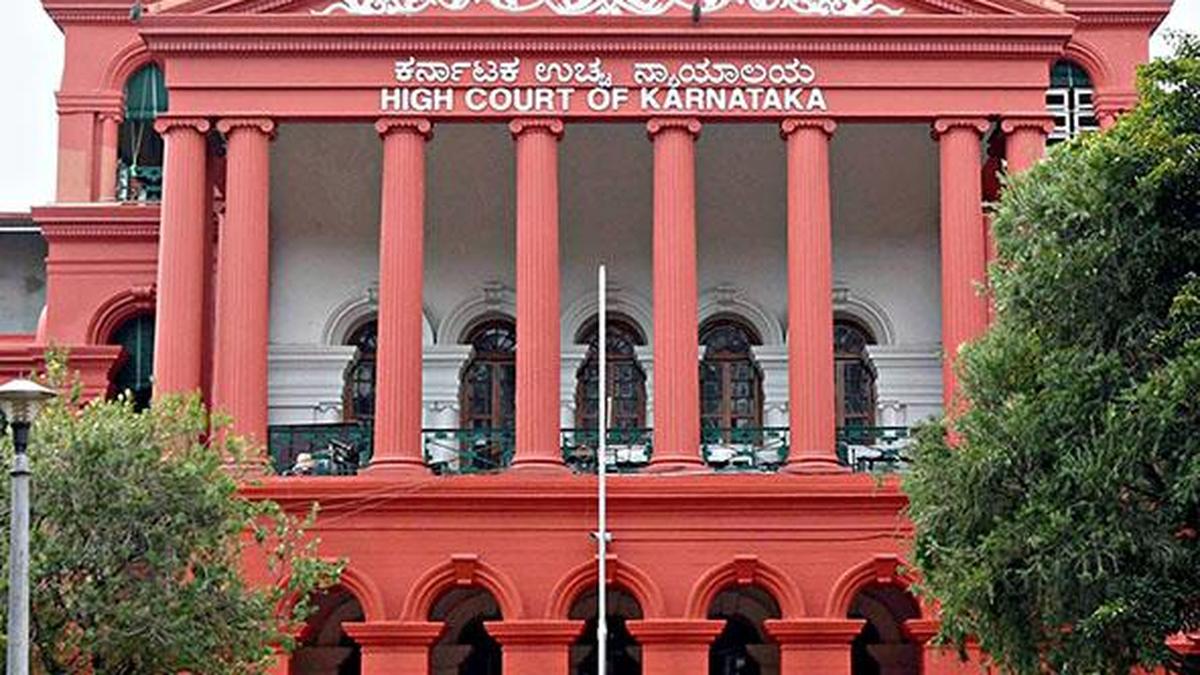
A recent decision by the Karnataka High Court underscored a paradox in the state’s legal framework: the very law intended to reduce bureaucratic delays is not being followed. The court noted that the 2023 Conduct of Government Litigation Act requires officers to adhere strictly to the limitation periods set for filing appeals, reviews or revisions against court verdicts. However, the bench observed that none of the appeals presently before it comply with these statutory timelines.
Key Developments
- The Conduct of Government Litigation Act, 2023, establishes a framework for government officers to file appeals and revisions within specified limitation periods.
- The Karnataka High Court expressed that the current batch of appeals does not reflect compliance with the Act’s procedural discipline.
- The bench’s observation points to a broader issue of procedural inefficiency within the state’s litigation processes.
"None of the present appeals demonstrate adherence to the statutory discipline contemplated in the law," the bench remarked.
Background & Context
The Act was enacted to streamline government litigation, reduce administrative delays, and promote timely justice. Despite its intentions, the court’s remarks suggest that the rulebook remains largely unobserved, revealing a disconnect between legislative intent and practical enforcement. This situation mirrors challenges faced in other jurisdictions where procedural reforms are not fully implemented.
Impact & Analysis
- For West Bengal officials: The Karnataka example serves as a cautionary tale, emphasizing the need to enforce statutory deadlines in government litigation.
- For litigants: Delays in appeals can prolong uncertainty and affect case outcomes.
- For the judiciary: Highlighting non‑compliance may prompt a review of enforcement mechanisms within the Act.
- For public perception: The irony may erode confidence in legal reforms aimed at reducing red‑tapism.
What Happens Next
- The court may issue directives to ensure adherence to limitation periods in future appeals.
- The state government could consider revising implementation guidelines or training for officers handling litigation.
- Monitoring bodies may review compliance levels and recommend further reforms.
- The court is likely to reassess pending appeals for procedural correctness.