Overview
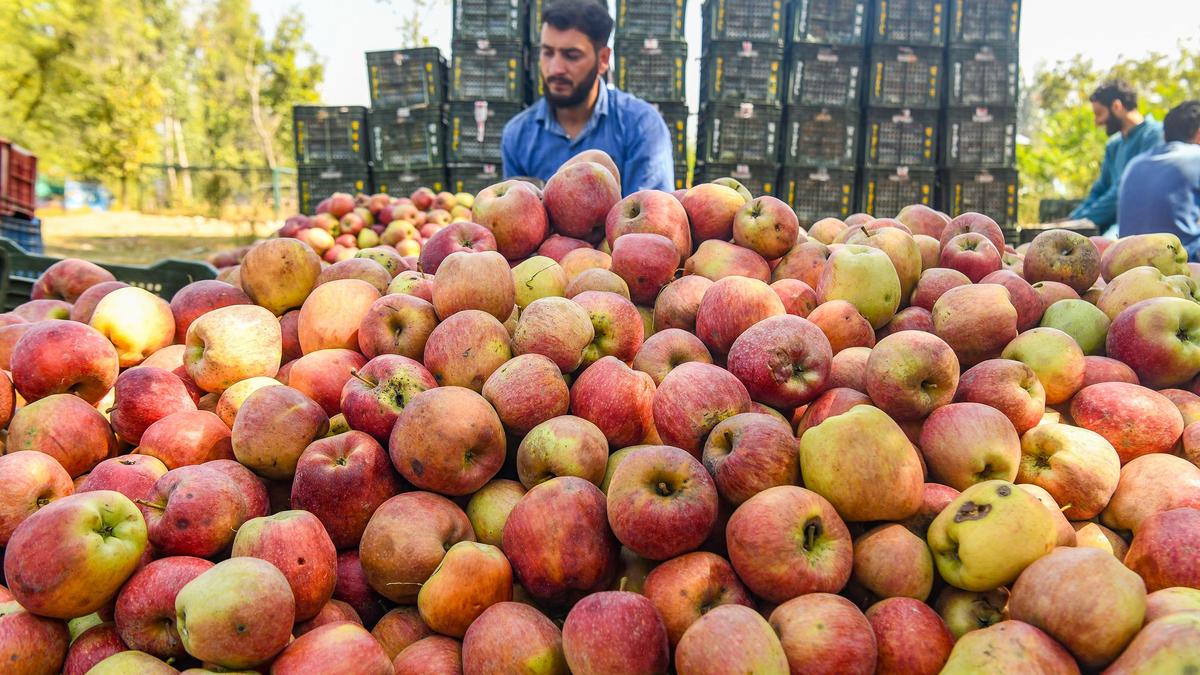
Kashmir’s apple growers are racing against a limited four‑month period to meet export deadlines, while the region’s cold‑chain infrastructure struggles to preserve fruit quality, according to Dr N.K. Krishna Kumar, former Deputy Director of Horticulture at the Indian Council of Agricultural Research.
Key Developments
- The apple‑growing season in Kashmir offers only a brief four‑month window for exporting produce before the fruit’s shelf life deteriorates.
- Existing cold‑chain facilities—refrigerated storage, transport and handling—are not sufficiently robust, leading to quality loss during transit.
- Dr N.K. Krishna Kumar highlighted these constraints during a recent briefing to stakeholders, emphasizing the need for rapid infrastructure upgrades.
"Kashmir has a small four‑month window for exporting apples and the cold chain is still poor at maintaining the quality," said Dr N.K. Krishna Kumar.
Background & Context
Kashmir is a major apple‑producing region in India, renowned for its high‑quality fruit. The harvest typically begins in late summer and peaks in early autumn, creating a narrow period for exporters to collect, pack, and ship apples to domestic and international markets. The region’s challenging terrain and limited road connectivity further complicate logistics.
Cold‑chain logistics are critical for preserving apple quality; temperatures must be tightly controlled from harvest to destination. In Kashmir, many storage units and transport vehicles lack adequate refrigeration, resulting in post‑harvest losses and reduced market value.
Impact & Analysis
- Exporters face higher risks of spoilage and diminished profits due to the short export window and subpar cold‑chain.
- Local farmers may struggle to meet market demand, potentially leading to surplus fruit that cannot be stored properly.
- Consumers may see higher prices or limited availability of Kashmir apples during peak seasons.
- Regional economy could be affected if the apple sector fails to maintain its competitive edge.
What Happens Next
- Stakeholders, including state officials and agricultural experts, are expected to convene to discuss investment in cold‑chain infrastructure.
- The government may explore subsidies or incentives for upgrading storage and transport facilities.
- Further expert assessments will likely outline a phased plan to extend the export window and improve quality control.