
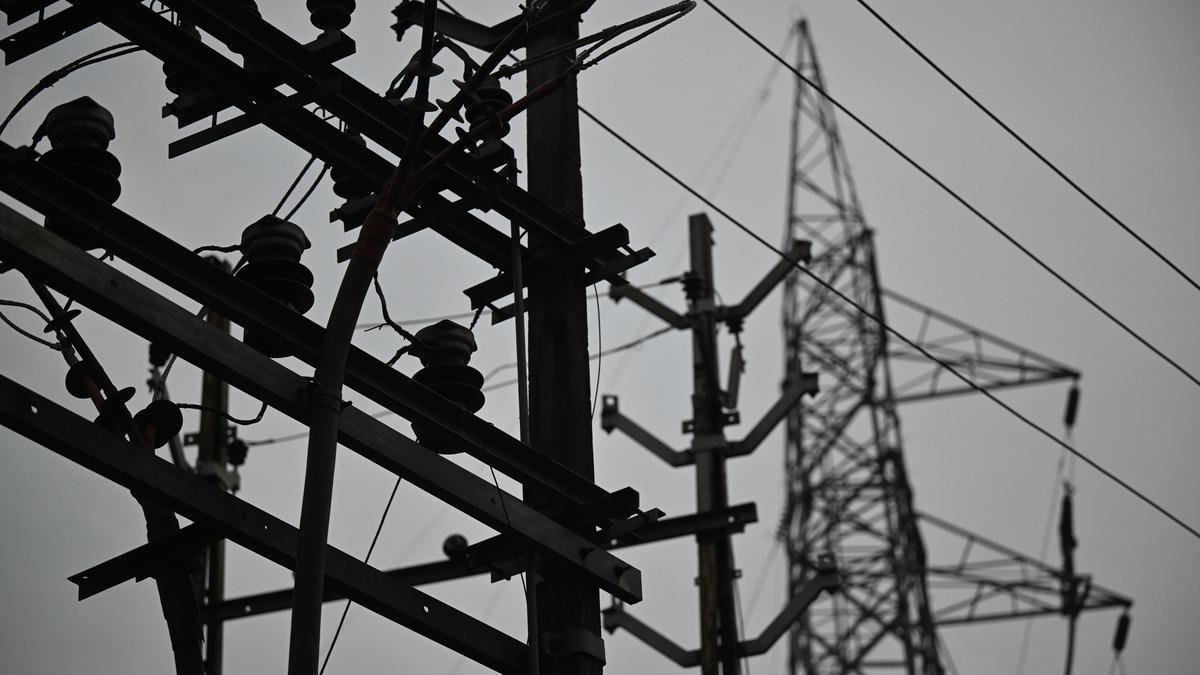
The Kerala State Electricity Regulatory Commission (KERC) has instructed the Kerala State Electricity Board (KSEB) to create a specialized team to explore the electricity futures market.
Key Developments
- KERC issued a directive requiring KSEB to form a dedicated unit.
- The team will investigate how electricity futures contracts can be used to mitigate price volatility in the short‑term market, including exchange‑based trading.
- The objective is to develop strategies that could reduce the exposure of consumers and the board to rapid price swings.
Background & Context
Electricity futures markets allow buyers and sellers to lock in prices for future delivery, providing a mechanism to hedge against unpredictable spot‑market fluctuations. In Kerala, the short‑term market has seen significant price volatility, impacting both the board’s procurement costs and end‑user bills. By studying futures instruments, KSEB hopes to adopt best practices from other states and international exchanges.
Impact & Analysis
- Price Stability: A well‑structured futures market could dampen short‑term price swings, leading to more predictable billing for consumers.
- Risk Management: KSEB would gain tools to hedge against sudden cost spikes in power procurement.
- Regulatory Alignment: The initiative aligns Kerala’s energy policy with emerging market practices in India.
- Stakeholder Insight: Local distributors and commercial users may benefit from clearer pricing forecasts.
What Happens Next
- KSEB is expected to form the team within the next month.
- The unit will conduct a feasibility study and prepare recommendations for KERC by the end of Q4 2026.
- KERC will review the findings and decide on potential regulatory amendments or pilot projects.
While the directive is specific to Kerala, West Bengal’s energy regulators and market participants may watch closely as it could set a precedent for electricity market reforms across India.