BREAKING
Kolkata Ring Road Project 75% Complete, Fast-Track Link Opens Ahead of Schedule|Kolkata Metro Green Line: Commercial Services to Howrah Maidan Commence with Record Turnout|East Bengal vs Mohun Bagan: High-Voltage Kolkata Derby Scheduled for This Weekend at Salt Lake Stadium|Durga Puja 2026: North & South Kolkata Pandals Unveil Eco-Friendly Thematic Showcases|New Town Tech Corridor: Global IT Giants Announce 5,000+ New Job Openings This Quarter|Weather Alert: Pleasant Evening Breeze Forecast Across South Bengal and City Coast|Netaji Subhash Chandra Bose Airport Expands Contactless DigiYatra Terminal 2 Gates|Heritage Revival: Historic Tramway Line Recommissioning Approved by Transport Department|KMC Launches 24/7 Digital Citizen Portal for Instant Municipal Grievance Resolution|Hilsa Fish Supplies Surge in City Wholesale Markets, Bringing Relief to Consumers|Smart City Mission: Kolkata Ranks Among Top Urban Digital Centers Nationwide|Fire Safety Audit: Comprehensive Inspections Initiated Across Central Kolkata Markets|
Our Kolkata
PoliticsLIVE UPDATEVerified by OurKolkata Newsroom

MLC Elections in West Bengal: Why Paper Ballots Are Used

West Bengal’s Members of Legislative Council (MLC) elections employ a proportional representation system—single transferable vote—requiring voters to rank candidates. Conventional electronic voting machines (EVMs) in India are built for first‑past‑the‑post contests and cannot capture these ranked preferences, so paper ballots remain in use. This piece explains the mechanics and rationale behind the continued use of paper ballots in these elections.

MLC Elections in West Bengal: Why Paper Ballots Are Used
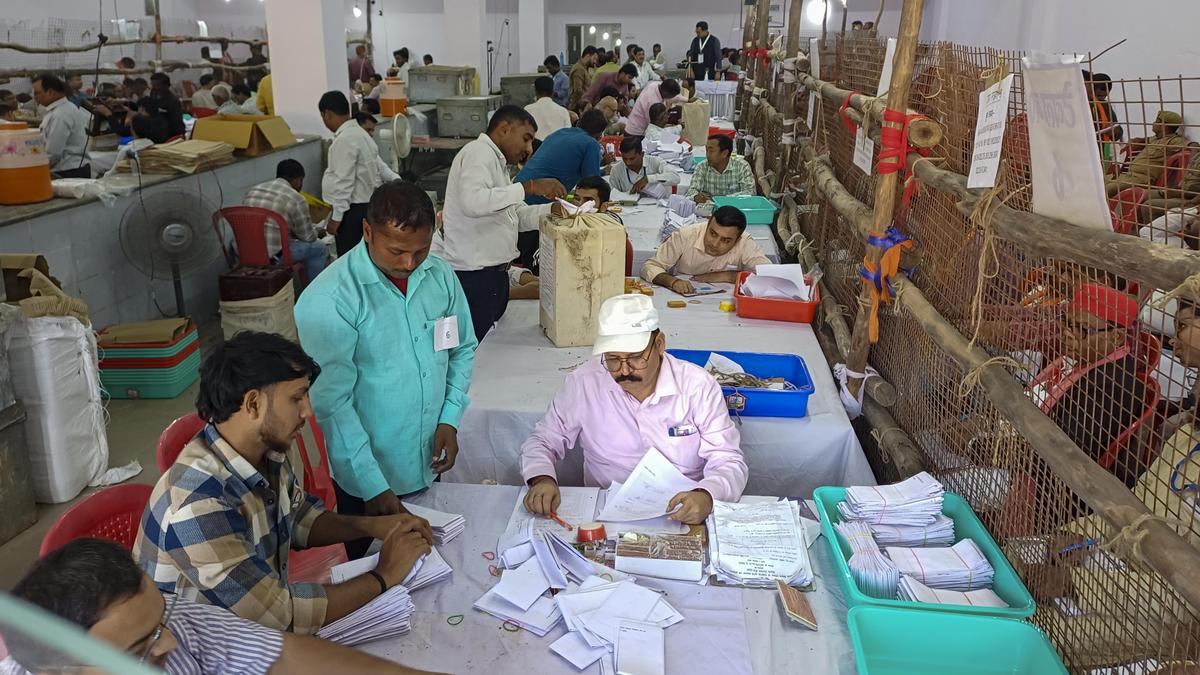
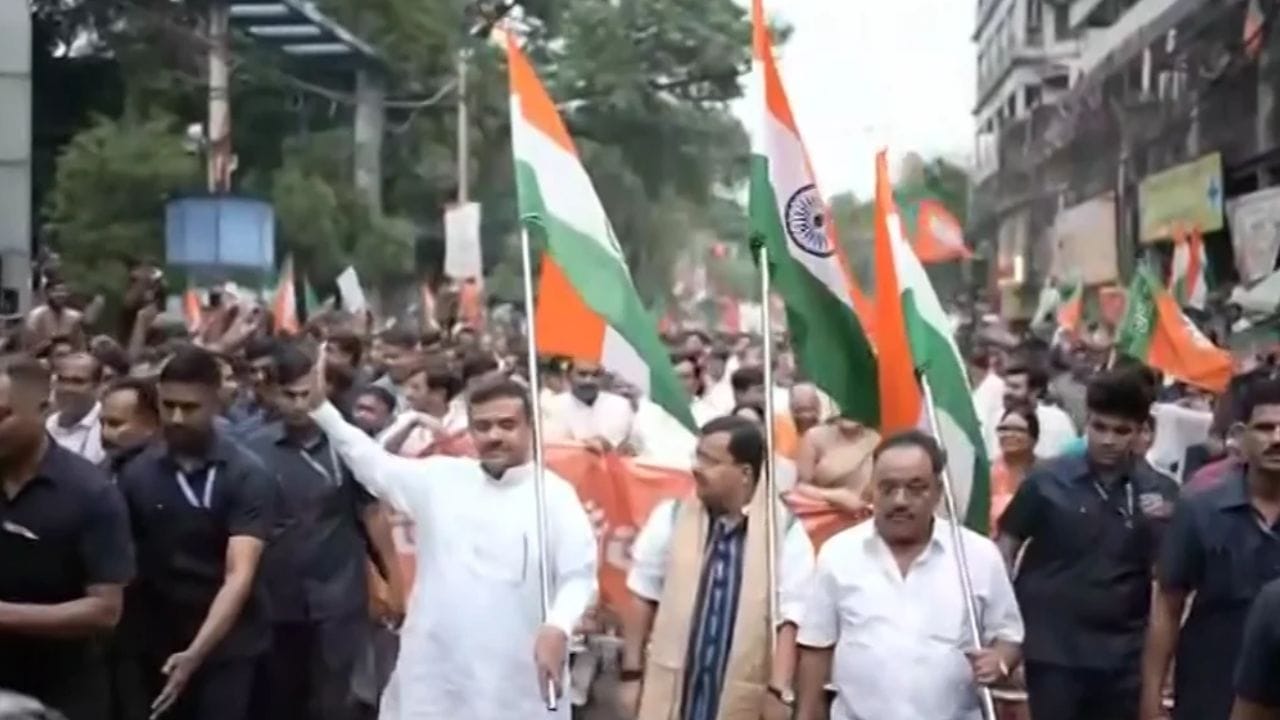
MLC Elections in West Bengal: Why Paper Ballots Are UsedPhoto via The Hindu — National

Opening Overview

West Bengal’s Members of Legislative Council (MLC) elections operate under a proportional representation system known as the single transferable vote (STV). In this method voters rank candidates in order of preference rather than selecting a single nominee. Because India’s electronic voting machines (EVMs) are engineered for first‑past‑the‑post contests, they lack the capability to record and process ranked choices, necessitating the use of paper ballots.

Key Developments

  • Voting System: MLC elections use STV, a proportional representation model.
  • Voter Action: Electors rank candidates from first to last preference.
  • Technology Constraint: Standard EVMs in India can only capture a single-choice vote.
  • Result: Paper ballots are employed to facilitate the ranking process.

Background & Context

The single transferable vote was introduced to ensure a more representative outcome in multi‑seat bodies like the West Bengal Legislative Council. By allowing voters to express a hierarchy of preferences, the system can allocate seats proportionally to parties based on overall support, rather than a winner‑takes‑all approach.

Impact & Analysis

  • Accuracy: Paper ballots allow for precise recording of ranked preferences.
  • Transparency: Manual tallying can be audited more readily than electronic processes.
  • Voter Experience: Some voters find ranking on paper easier to understand than navigating a digital interface.
  • Operational Costs: Printing and handling paper ballots require logistical resources.

What Happens Next

Election authorities will continue to use paper ballots for the current MLC cycle. Future discussions may explore upgrading EVMs to handle ranked voting, but no definitive timeline has been announced.

Was this story useful?
Share on WhatsApp