
BREAKING
Kolkata Ring Road Project 75% Complete, Fast-Track Link Opens Ahead of Schedule|Kolkata Metro Green Line: Commercial Services to Howrah Maidan Commence with Record Turnout|East Bengal vs Mohun Bagan: High-Voltage Kolkata Derby Scheduled for This Weekend at Salt Lake Stadium|Durga Puja 2026: North & South Kolkata Pandals Unveil Eco-Friendly Thematic Showcases|New Town Tech Corridor: Global IT Giants Announce 5,000+ New Job Openings This Quarter|Weather Alert: Pleasant Evening Breeze Forecast Across South Bengal and City Coast|Netaji Subhash Chandra Bose Airport Expands Contactless DigiYatra Terminal 2 Gates|Heritage Revival: Historic Tramway Line Recommissioning Approved by Transport Department|KMC Launches 24/7 Digital Citizen Portal for Instant Municipal Grievance Resolution|Hilsa Fish Supplies Surge in City Wholesale Markets, Bringing Relief to Consumers|Smart City Mission: Kolkata Ranks Among Top Urban Digital Centers Nationwide|Fire Safety Audit: Comprehensive Inspections Initiated Across Central Kolkata Markets|
Our Kolkata
CrimeLIVE UPDATEVerified by OurKolkata Newsroom

Monkeys, Wild Boars Lead Human-Wildlife Conflicts in Wayanad

A recent three‑year study by Kannur University and the University of Geneva, covering 49 villages in Wayanad, Kerala, shows that monkeys are the most frequent source of reported human‑wildlife encounters, followed closely by wild boars. The research highlights the growing impact of these animals on local communities, with incidents ranging from crop damage to property theft. The findings underscore the need for targeted wildlife management strategies in the region.

Monkeys, Wild Boars Lead Human-Wildlife Conflicts in Wayanad
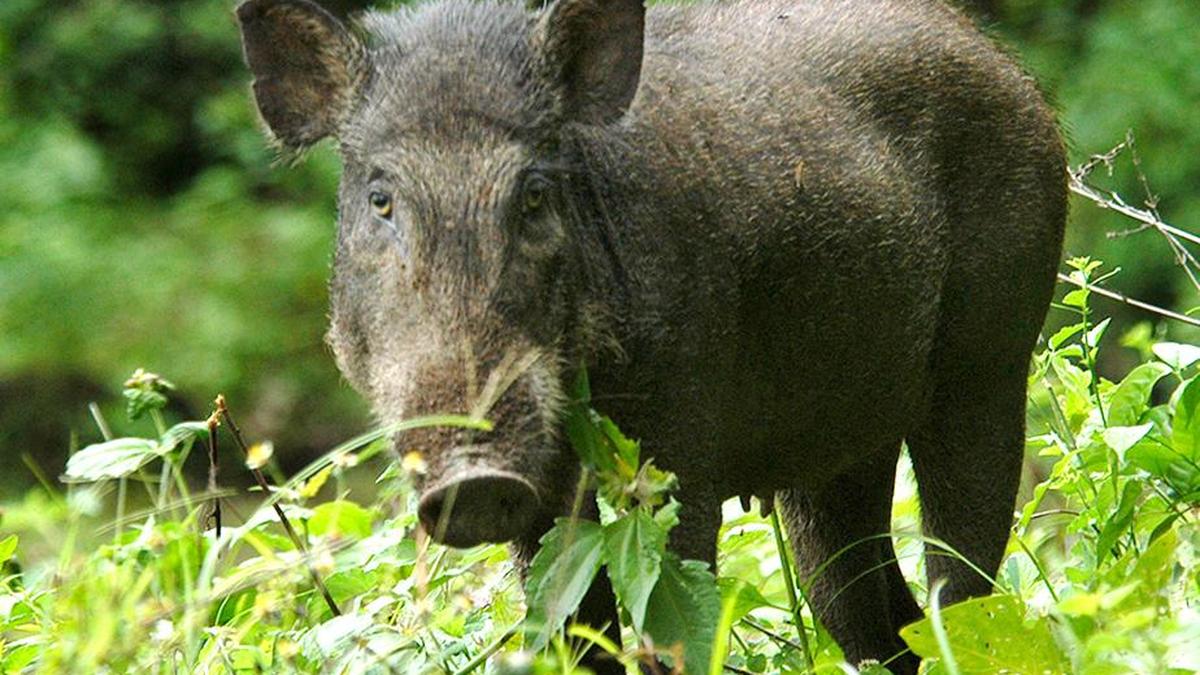
Monkeys, Wild Boars Lead Human-Wildlife Conflicts in WayanadPhoto via The Hindu — National

Researchers from Kannur University and the University of Geneva carried out a comprehensive survey over three years, examining wildlife interactions in 49 villages across Wayanad district.

Their analysis revealed that monkey encounters dominated the reports, accounting for the highest proportion of incidents, with wild boars coming in second. The incidents ranged from minor property damage to more serious threats to livestock.

The results point to the urgency of developing community‑based conflict mitigation measures, such as better fencing, awareness programmes, and coordinated monitoring to protect both residents and wildlife.

Was this story useful?
Share on WhatsApp