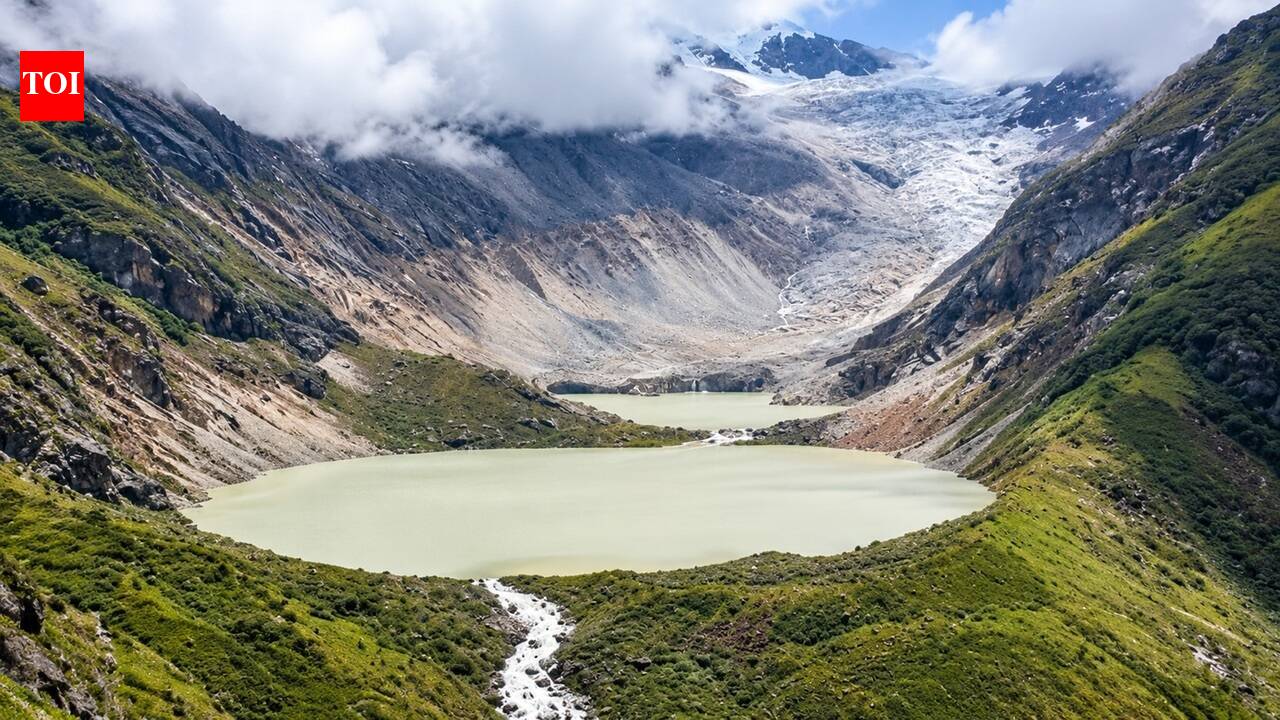
A sudden glacial lake outburst in Bhutan has raised red‑alert warnings across North Bengal, leading authorities to evacuate thousands of people from flood‑prone areas.
Key Developments
- The glacial lake outburst in Bhutan released a surge of meltwater, potentially impacting the Ganges basin.
- North Bengal authorities declared a red alert in response to the anticipated flood threat.
- Evacuation orders were issued in several districts, displacing thousands of residents.
Background & Context
Glacial lake outburst floods (GLOFs) occur when a dam holding back a glacial lake fails, unleashing a sudden torrent of water. Such events are increasingly frequent due to climate change and rising temperatures, which accelerate glacial melt. The Ganges basin, which includes parts of North Bengal, is particularly vulnerable to upstream GLOFs originating in the Himalayas.
Impact & Analysis
- Displacement: Thousands of households have been relocated to temporary shelters.
- Infrastructure: Roads and bridges in low‑lying areas are at risk of damage or flooding.
- Water Supply: Potential contamination of drinking water sources in affected villages.
- Economic: Local agriculture may suffer crop losses if floods reach farmlands.
What Happens Next
- Continuous monitoring of water levels in the affected glacial lake will be conducted by Bhutanese authorities.
- West Bengal’s disaster management teams will keep the red alert active until the flood threat subsides.
- Relief camps and emergency supplies are being deployed to support displaced residents.
- Residents in downstream towns are advised to stay alert and follow official instructions.