Overview
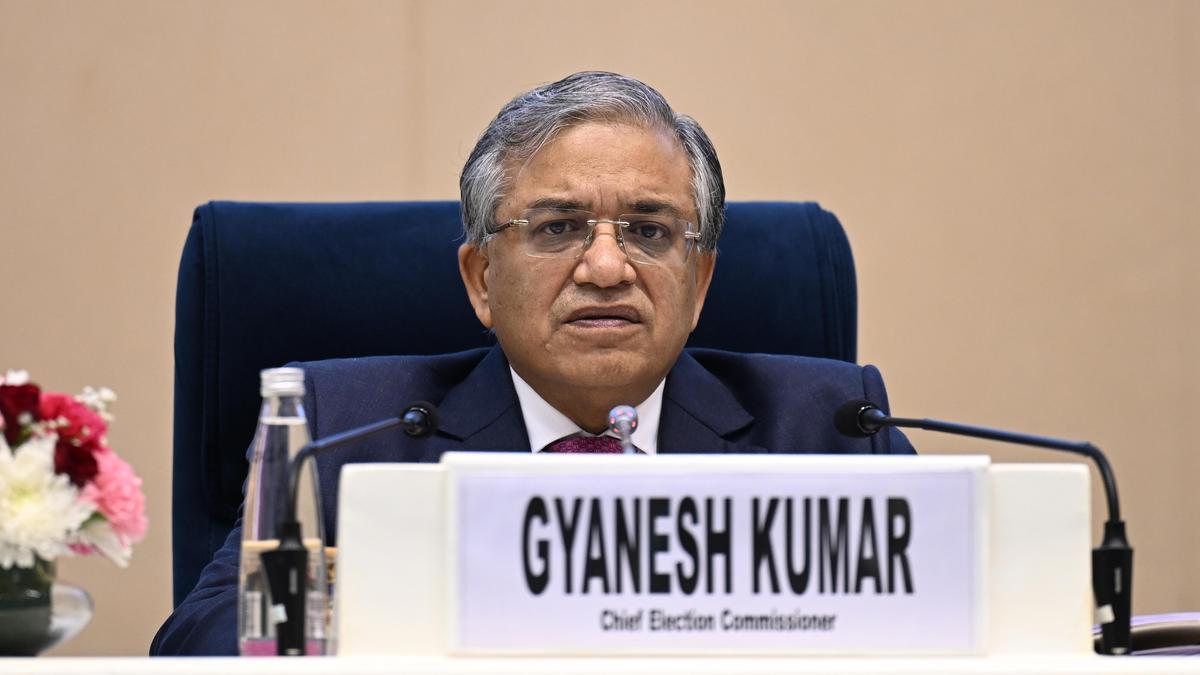
The Indian Parliament is set to witness a high‑profile session in which the country’s main opposition bloc will bring a public impeachment motion against the Chief Electoral Commissioner (CEC). The motion is scheduled to be moved by INC president Mallikarjun Kharge, with former Lok Sabha Speaker Meira Kumar presiding over the proceedings. Rahul Gandhi is slated to deliver a closing address.
Key Developments
- The opposition coalition, comprising the Indian National Congress, Nationalist Congress Party, and other allies, has formally decided to table a public impeachment motion targeting the CEC.
- Meira Kumar, who served as Speaker of the Lok Sabha from 2009 to 2014, will chair the parliamentary session to maintain decorum.
- Mallikarjun Kharge, the president of the Indian National Congress, will file the motion.
- Rahul Gandhi, the party’s senior leader, will speak at the conclusion of the session, underscoring the opposition’s stance on electoral integrity.
"We will not allow Parliament to be mocked. This session will be conducted with the highest respect for democratic institutions," said a spokesperson for the opposition bloc.
Background & Context
The CEC’s role is to oversee elections across India, ensuring free and fair polls. In recent months, the CEC has faced criticism over alleged delays in setting election dates and controversies surrounding the conduct of the 2024 Lok Sabha elections. The opposition’s decision to move a public impeachment reflects growing concerns about the CEC’s independence and transparency.
Impact & Analysis
- Electoral Confidence: The motion could influence public perception of India’s electoral process and may prompt a review of the CEC’s actions.
- Political Dynamics: The session is expected to heighten tensions between the ruling party and the opposition, potentially affecting future legislative negotiations.
- Parliamentary Procedure: Presiding by Meira Kumar signals an attempt to keep the debate orderly and avoid a spectacle that could undermine parliamentary dignity.
- West Bengal Implications: As elections approach, voters in West Bengal may be more attentive to how electoral oversight is handled, especially given the state’s history of electoral disputes.
Next Steps
- The motion will be tabled in the upcoming parliamentary session scheduled for early November.
- A committee will likely be formed to examine the CEC’s conduct and recommend reforms.
- The opposition expects to secure a vote of confidence in the motion; a subsequent hearing will determine any further action against the CEC.
- The ruling party will have the opportunity to respond and defend the CEC’s integrity before the final vote.