
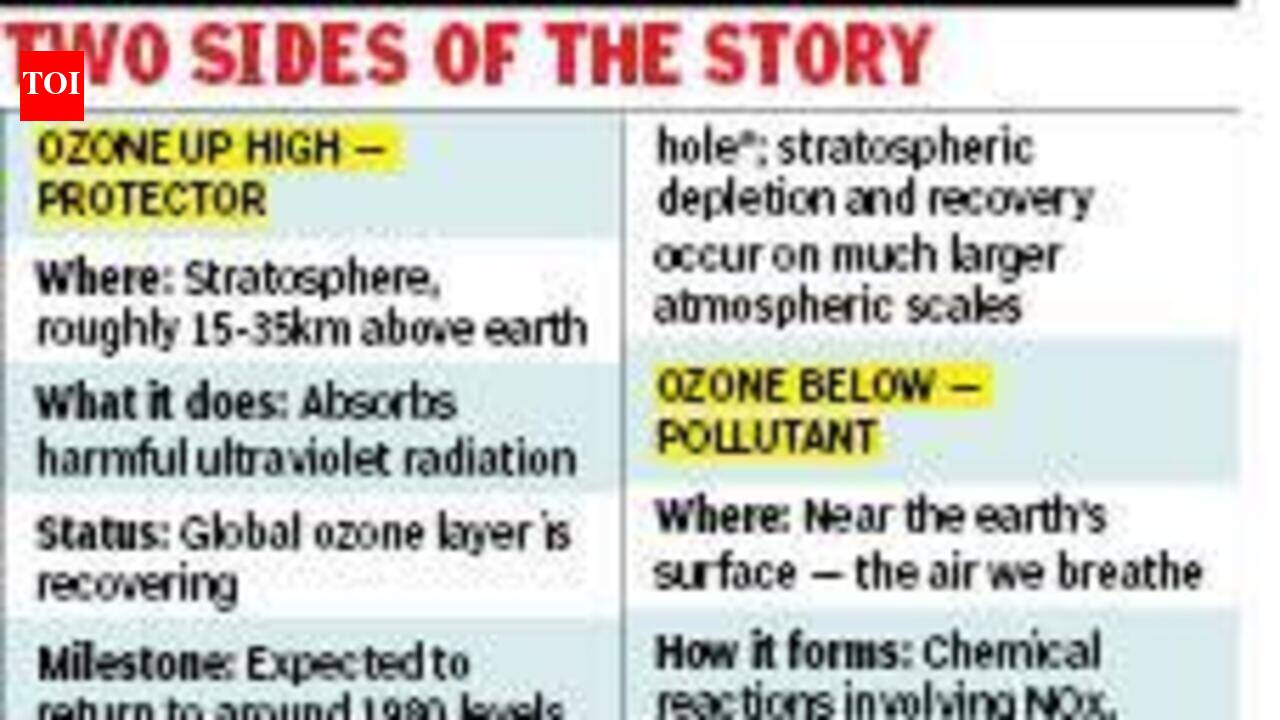
Recent satellite observations confirm a gradual recovery of the ozone layer above Kolkata, a welcome sign that global efforts to phase out ozone‑depleting substances are bearing fruit. Despite this progress, local air‑quality monitoring stations report persistently high concentrations of ground‑level ozone, especially during sunny days when ozone formation peaks.
Ground‑level ozone forms when sunlight reacts with nitrogen oxides and volatile organic compounds emitted from vehicles, factories and power plants. The elevated levels noted in Kolkata have raised concerns among health professionals, who warn that prolonged exposure can trigger asthma attacks, bronchitis and other respiratory problems.
In response, the municipal health department has issued advisories urging people with respiratory conditions to limit outdoor activities on days when ozone readings exceed the safe threshold. Schools and workplaces are also being advised to monitor air quality and take precautionary measures.
Environmental agencies continue to monitor the situation and are pushing for stricter emission controls, particularly targeting motor‑vehicle exhaust and industrial emissions, in order to reduce the precursors that fuel ground‑level ozone formation.