
Overview
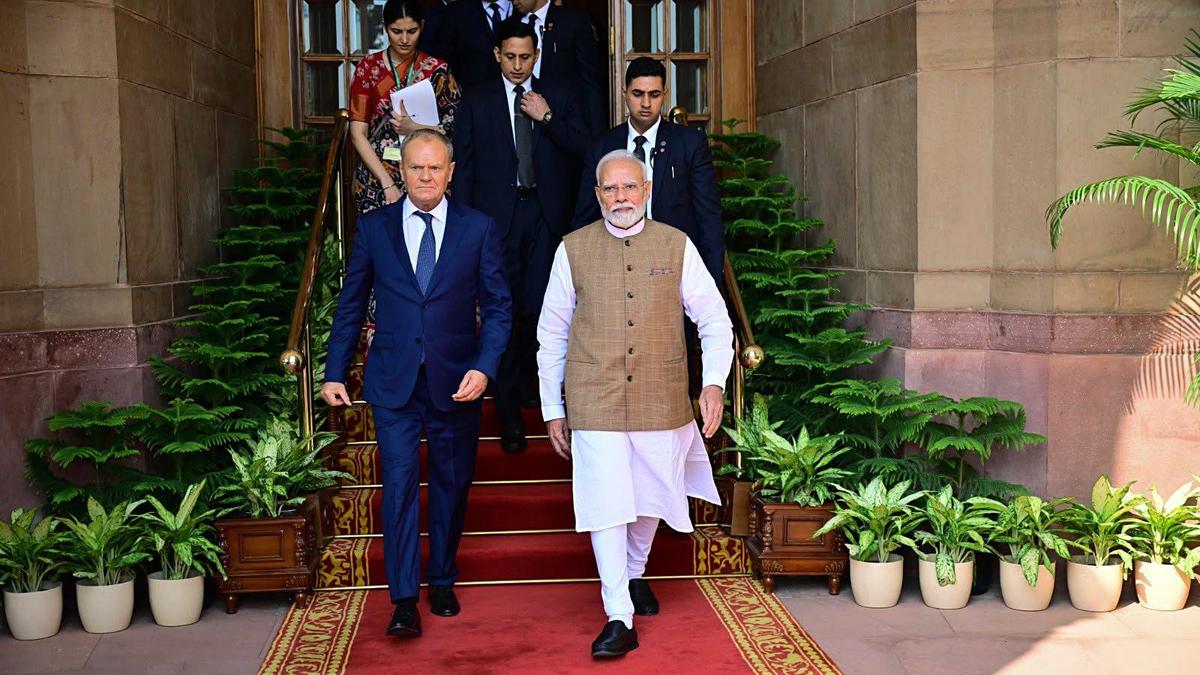
During a high‑profile visit in 2024, Indian Prime Minister Narendra Modi travelled to Poland, where both sides announced a new strategic partnership aimed at expanding trade and cooperation.
Key Developments
- The bilateral trade target has been raised from the current $6 billion to $10 billion.
- The partnership upgrade reflects Poland’s desire to broaden its international ties, especially as it looks to reduce dependence on China.
- Polish officials cited a widening trade imbalance with China and Beijing’s support for Russia as factors driving the shift.
- The two governments plan to negotiate new agreements across sectors such as technology, energy, and agriculture.
Background & Context
Poland, historically a strong trade partner of China, has experienced growing economic friction due to the increasing trade deficit and geopolitical tensions. The country’s decision to pivot toward India is part of a broader strategy to diversify its economic relationships and secure more balanced trade partnerships.
Impact & Analysis
- Export Opportunities: West Bengal exporters in technology, pharmaceuticals, and textiles could access new markets in Poland and the broader European Union.
- Investment Flow: Indian investors may find Poland attractive for setting up manufacturing and IT hubs, benefiting local economies.
- Supply Chain Resilience: Diversifying trade partners reduces vulnerability to global disruptions, a concern for many West Bengal businesses.
- Policy Alignment: Enhanced cooperation could influence trade policies that favor small and medium enterprises in West Bengal.
What Happens Next
- A series of bilateral meetings are scheduled to finalize trade agreements and joint ventures.
- Both governments will review progress at the next Indo‑Polish trade summit slated for late 2024.
- Polish trade officials will publish a detailed roadmap for sectors earmarked for cooperation.
- Indian exporters will be briefed on upcoming opportunities via the Ministry of Commerce.