BREAKING
Kolkata Ring Road Project 75% Complete, Fast-Track Link Opens Ahead of Schedule|Kolkata Metro Green Line: Commercial Services to Howrah Maidan Commence with Record Turnout|East Bengal vs Mohun Bagan: High-Voltage Kolkata Derby Scheduled for This Weekend at Salt Lake Stadium|Durga Puja 2026: North & South Kolkata Pandals Unveil Eco-Friendly Thematic Showcases|New Town Tech Corridor: Global IT Giants Announce 5,000+ New Job Openings This Quarter|Weather Alert: Pleasant Evening Breeze Forecast Across South Bengal and City Coast|Netaji Subhash Chandra Bose Airport Expands Contactless DigiYatra Terminal 2 Gates|Heritage Revival: Historic Tramway Line Recommissioning Approved by Transport Department|KMC Launches 24/7 Digital Citizen Portal for Instant Municipal Grievance Resolution|Hilsa Fish Supplies Surge in City Wholesale Markets, Bringing Relief to Consumers|Smart City Mission: Kolkata Ranks Among Top Urban Digital Centers Nationwide|Fire Safety Audit: Comprehensive Inspections Initiated Across Central Kolkata Markets|
Our Kolkata
InfrastructureLIVE UPDATEVerified by OurKolkata Newsroom

Probe blames faulty braking system for Kolkata-Sairang Express derailment

A preliminary investigation into the November 11 derailment of the Kolkata-Sairang Express in Assam identified a malfunctioning braking system as the primary cause. Investigators found that the BP angle cock in the locomotive was isolated, preventing brakes from engaging despite crew attempts. The report notes the train overshot a red signal and hit a dead end after the braking failure.

Probe blames faulty braking system for Kolkata-Sairang Express derailment
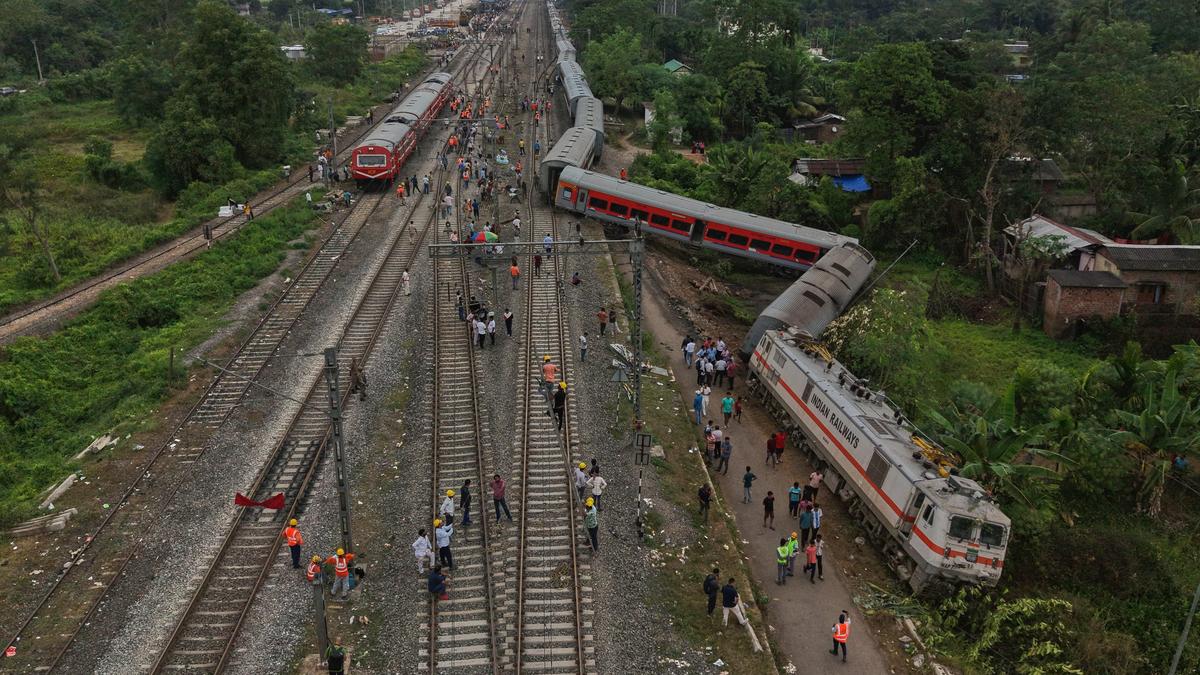
Probe blames faulty braking system for Kolkata-Sairang Express derailmentPhoto via The Hindu

A preliminary probe into the derailment of the Kolkata-Sairang Express at Digaru Railway Station in Assam on November 11 has identified a malfunctioning main braking system as the likely cause of the accident. A six-member investigation team reported that the BP angle cock, the component primarily responsible for applying brakes in the coaches, was found in an isolated condition within the locomotive. The joint note prepared by the team on the day of the incident stated that this isolation likely prevented the brakes from engaging when required.

The report indicates that while the train crew applied the brakes, they may not have functioned because the angle cock was previously in a closed position. The investigation did not determine who disabled the system or if safety checks were overlooked. However, statements from the loco pilot, assistant loco pilot, and guard asserted that the braking system was functioning correctly when they took charge of the train at Guwahati around 5:30 am on November 11.

According to the findings, the train stopped at Panbari station at 6:16 am after overheated wheels were detected due to jammed brake pads. After the crew addressed the issue and the train remained halted for approximately 30 minutes, it departed at 6:46 am. As the train approached Digaru station, the station master signaled it to enter the loop line to allow another train to pass. The brakes failed to work when the crew attempted to stop, causing the train to overshoot the red signal, strike a dead end, and derail.
Source: The Hindu
Was this story useful?
Share on WhatsApp