Overview
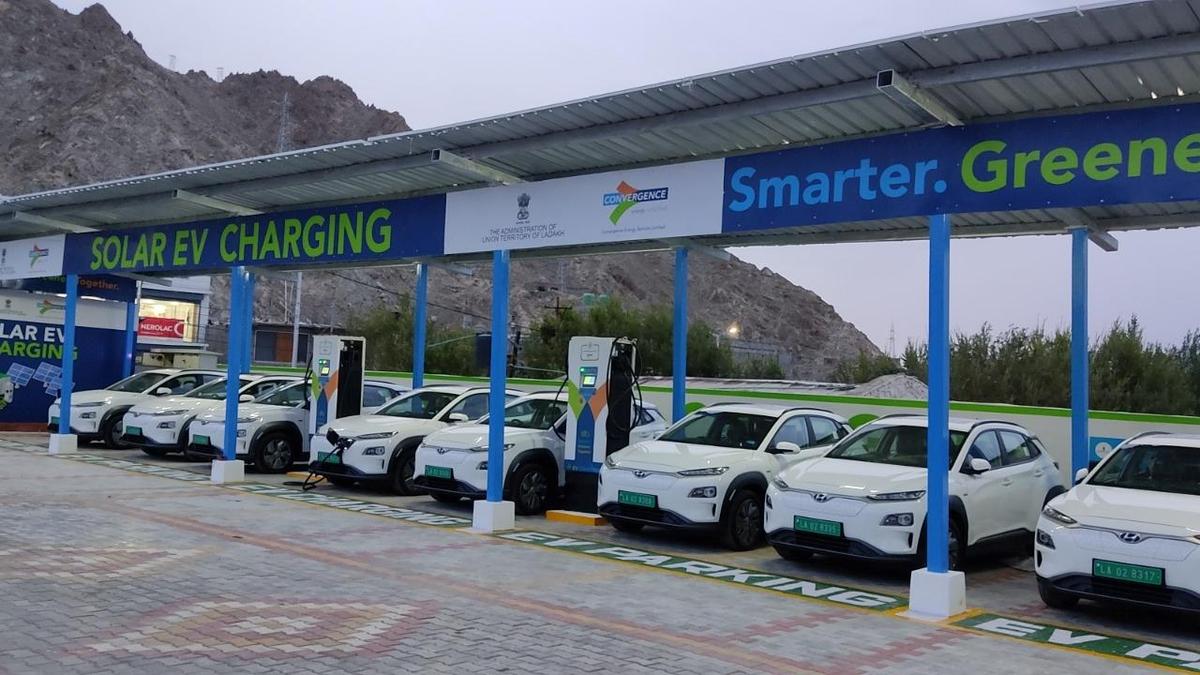
Andhra Pradesh, one of India’s sun‑rich states, has the climatic advantage to support solar‑powered electric‑vehicle (EV) charging. Despite this, the industry is still nascent, with high initial investment and uncertain profitability deterring rapid deployment.
Key Developments
- The state government is actively expanding standard EV charging infrastructure across major cities.
- Solar‑powered charging stations remain largely absent, with no concrete rollout plan announced.
- A minister highlighted that the lack of solar stations is due to financial hurdles and the unproven return on investment.
"We are aggressively developing EV charging stations, but the solar‑powered variant is still a long way off due to high costs and uncertain returns," said the state’s minister.
Background & Context
Andhra Pradesh receives abundant sunlight, making it an ideal candidate for solar energy projects. However, the EV charging market is still emerging, and many investors find the initial capital requirement prohibitive. Traditional charging stations are cheaper to install, leading the state to prioritize these over solar alternatives.
Impact & Analysis
- Consumers: Limited access to solar‑charged stations could increase dependence on grid electricity, affecting charging costs.
- Environment: Delayed solar adoption postpones potential reductions in CO₂ emissions from the transport sector.
- Economy: Higher upfront costs may deter private investment in green EV infrastructure.
What Happens Next
- The government may revisit subsidy schemes to lower the financial barrier for solar‑charging projects.
- Industry bodies could lobby for clearer return‑on‑investment models.
- A detailed feasibility study is expected before any solar‑EV stations are launched.