Overview
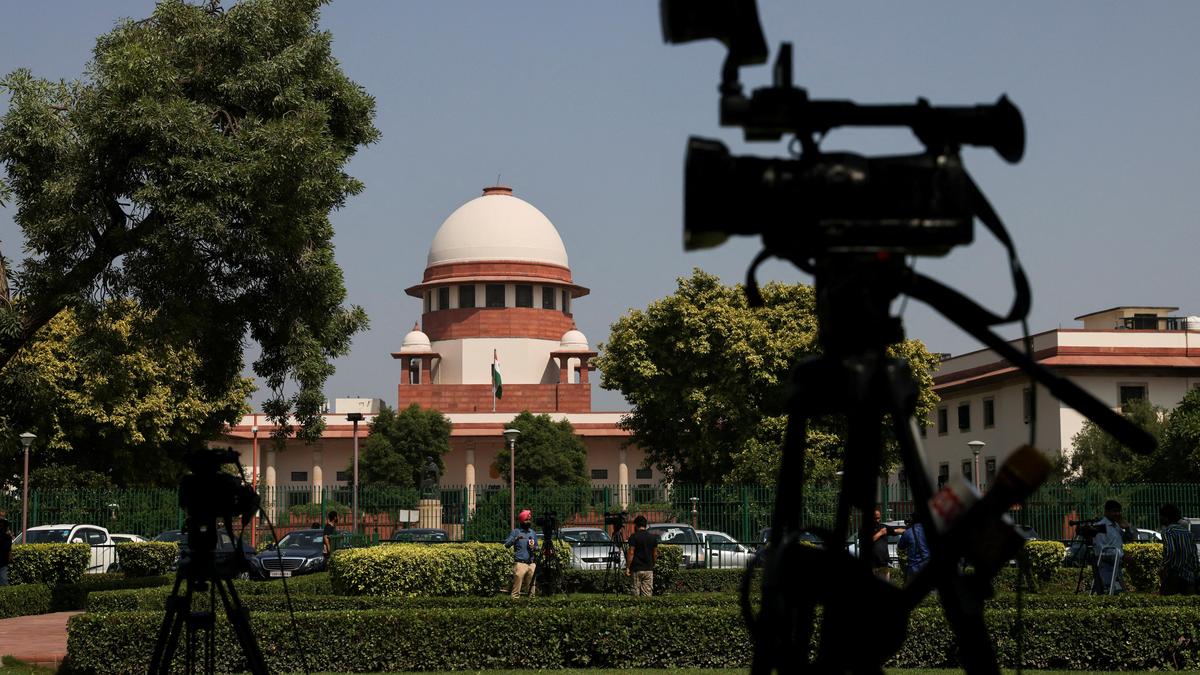
The Supreme Court of India has raised questions about the logistics of supplying 100% ethanol to the market. In a hearing that attracted attention from policymakers and stakeholders, the bench demanded clarity from the government on how this ethanol will be sourced and distributed. Alongside supply concerns, the court emphasized the need to empower farmers and adopt an environmentally sound strategy for the fuel.
Key Developments
- The bench specifically requested the government to explain the mechanisms that will ensure a steady supply of 100% ethanol.
- It was highlighted that farmers could play a pivotal role in this supply chain and that their empowerment should be a priority.
- The court also urged the administration to consider environmental implications while planning the ethanol rollout.
Background & Context
The push for ethanol blending has been part of India’s broader strategy to reduce petroleum dependence and lower carbon emissions. While the government has announced initiatives to promote ethanol as a fuel alternative, the operational details—especially how the supply chain will be managed—remain under scrutiny.
Impact & Analysis
- For Farmers: Empowering farmers could translate into new business opportunities and revenue streams if they are involved in cultivation or processing of ethanol feedstock.
- For the Environment: A clear, eco‑friendly supply strategy may help achieve emission reduction targets and protect local ecosystems.
- For Policymakers: The court’s questions pressure the government to refine and publicize its logistics plans, ensuring transparency and accountability.
What Happens Next
The government is expected to file a comprehensive reply detailing its supply chain strategy and farmer engagement plans. Subsequent hearings may follow, where the court could review the proposed measures and set timelines for implementation.