Overview
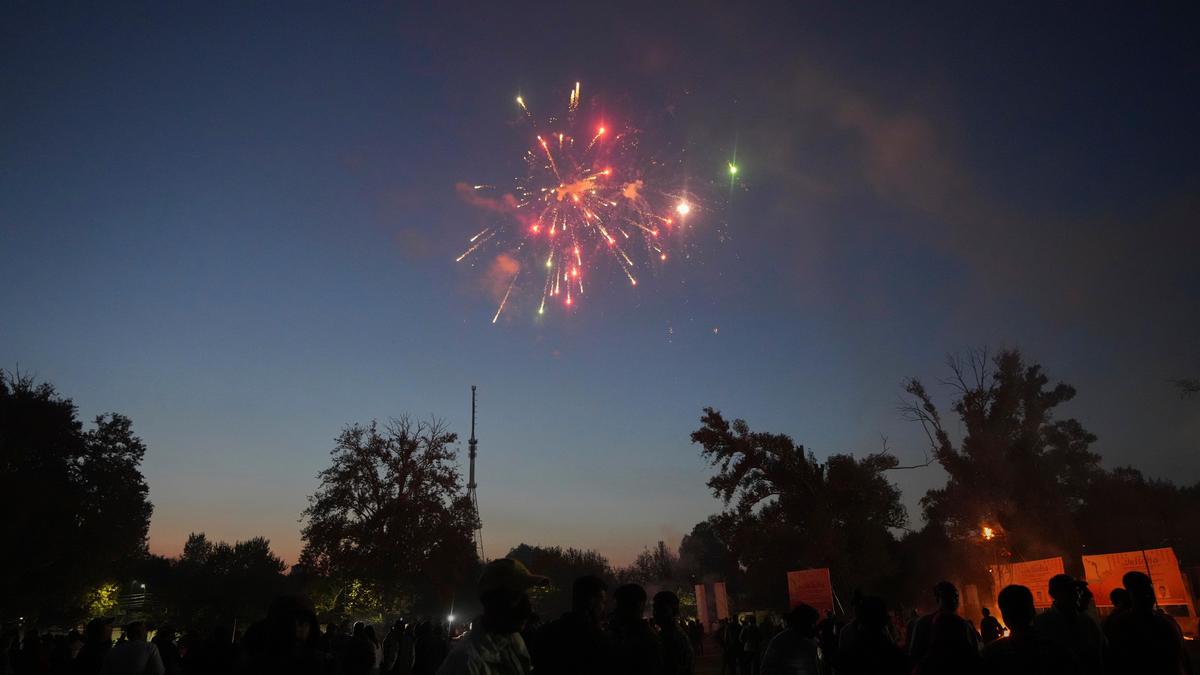
The Supreme Court, in a decision pertaining to firecracker regulations, cautioned that a total prohibition could lead to unintended consequences. The court directed the central government and the Delhi administration to strengthen enforcement against unauthorized vendors.
Key Developments
- The Court highlighted that a complete ban on firecrackers may cause a *spiralling effect* across the market.
- It asked the Centre and the Delhi government to ensure stringent enforcement against sellers of spurious and banned crackers.
- The Court pointed out that the existing orders might have breached legal limits, both on the left and right sides of the regulatory framework.
"Our orders breached ‘left and right’, Deepavali was a festival of lights before gunpowder." — Supreme Court
Background & Context
India has long regulated fireworks through a combination of central and state directives. Delhi, in particular, has imposed restrictions during the festival season to curb pollution and accidents. Recent reports of illegal firecracker sales and safety incidents prompted the Supreme Court to review the applicability and enforcement of these orders.
Impact & Analysis
- Consumer Safety: Strengthened enforcement could reduce accidents involving unregulated firecrackers.
- Market Dynamics: A full ban may push the trade underground, creating black‑market activity.
- Environmental Concerns: Proper regulation may help mitigate air pollution during festivals.
- Legal Clarity: The Court’s remarks aim to clarify the extent of permissible government action.
What Happens Next
- The Centre and Delhi government are expected to review the Court’s observations and reinforce monitoring mechanisms.
- Enforcement agencies may face increased scrutiny and penalties for non‑compliance.
- The Court may issue further directives if violations persist.
- Stakeholders, including vendors and consumers, should stay updated on any new guidelines issued by the authorities.