Overview
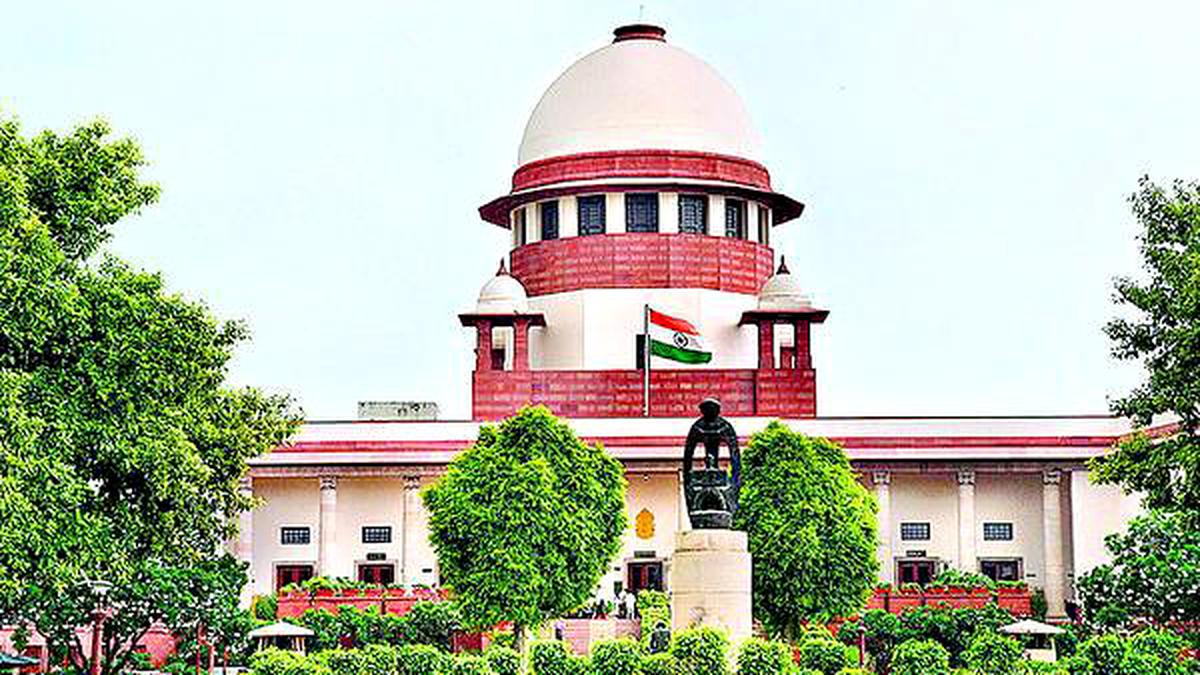
The Supreme Court of India today struck down a Karnataka state law that had sought to validate a 2011 recruitment exercise. The Court confirmed that the cancellation of the recruitment process, which had been upheld by both the Karnataka High Court and the Supreme Court, could not be reversed by a legislative act. The judgment underscores the limited scope of state legislatures in overriding judicial decisions.
Key Developments
- The Karnataka legislature passed a law to reinstate the 2011 recruitment, which had been cancelled due to corruption allegations.
- Both the Karnataka High Court and the Supreme Court had previously upheld the cancellation, citing legal and ethical concerns.
- The Supreme Court ruled that the legislature cannot annul judicial cancellations, even by enacting new legislation.
- Consequently, the law validating the 2011 recruitment was declared null and void.
Background & Context
The 2011 recruitment for a number of state government posts was marred by allegations of bribery and favoritism. After investigations, the Karnataka High Court cancelled the entire recruitment drive. In response, the state legislature passed a law attempting to restore the validity of the recruitment. The Supreme Court’s decision reaffirms the judiciary’s role in safeguarding public interest and ensuring that legislation cannot override judicial determinations on corruption matters.
Impact & Analysis
- For Karnataka: The cancellation remains in force, meaning that appointed officials from the 2011 batch will not be recognized and future recruitment will require fresh, transparent processes.
- For West Bengal and other states: The ruling serves as a precedent that state legislatures cannot override Supreme Court or High Court judgments on public interest litigations.
- For the public: The decision reinforces the principle that public recruitment must be conducted without corruption and that courts have the final say in such matters.
- -
What Happens Next
- The Karnataka law that sought to validate the recruitment has been invalidated and will no longer be enforceable.
- The state may need to conduct new recruitment exercises under stricter oversight.
- There are no immediate plans for further appeals, and the Supreme Court’s decision is considered final.