Overview
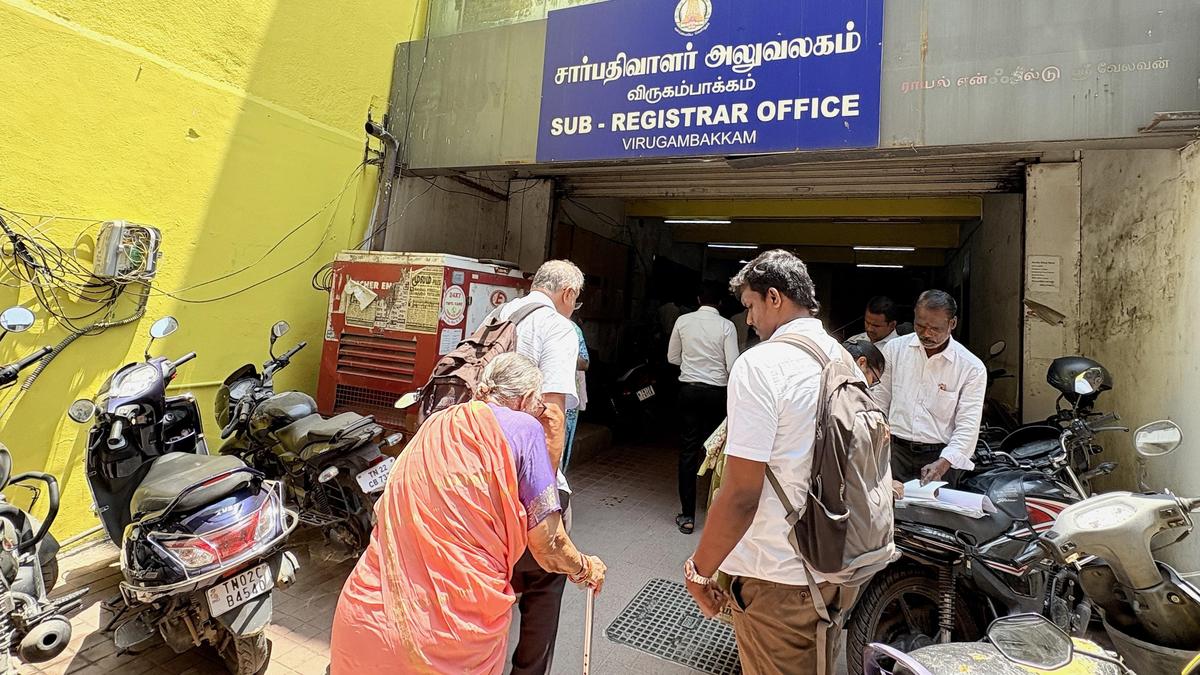
In a move to simplify bureaucratic processes, the Telangana government has unveiled five Model Registration Hubs. These centres will enable residents to register property documents and marriages without being bound to the traditional Sub‑Registrar Office that serves their specific jurisdiction.
Key Developments
- Five registration hubs have been established across Telangana as part of the first phase of the initiative.
- Citizens can choose any hub for registering property documents and marriages, irrespective of their local Sub‑Registrar Office.
- The government intends to extend the program to additional locations following the initial rollout.
Background & Context
The initiative addresses long‑standing challenges in property and marriage registration, where individuals often face delays and inconvenience due to jurisdictional restrictions. By creating flexible, centrally managed hubs, the state aims to reduce administrative bottlenecks and improve service delivery.
Impact & Analysis
- Increased Accessibility: Residents can access registration services from hubs closer to them, even if they lie outside their local jurisdiction.
- Time‑Saving: Reduces the need for multiple visits to different offices, cutting processing times.
- Standardised Procedures: Centralised hubs can enforce uniform guidelines, potentially improving accuracy and compliance.
- Model for Other States: The success of this pilot could inspire similar reforms in other Indian states, including West Bengal.
What Happens Next
The Telangana government will monitor the performance of the five hubs over the coming months. Feedback from users will guide the expansion plan, which aims to bring the service to more districts and potentially incorporate digital integration for faster processing.