Overview
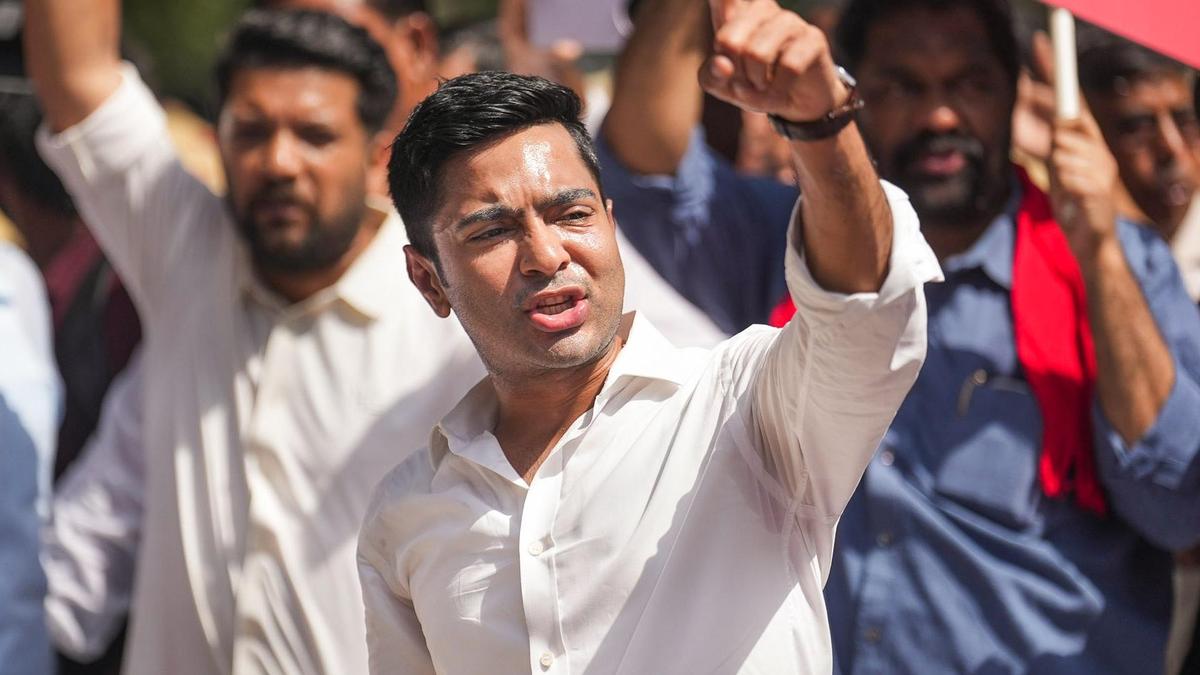
In a recent statement, Abhishek Banerjee, the president of the All India Trinamool Congress (TMC), urged the West Bengal government to be restored to the position it held before the Supreme Court’s Special Investigation Report (SIR) was released. The call follows the court’s observations that raised concerns about the conduct of the current ruling party.
Key Developments
- The Supreme Court issued a SIR concerning the conduct of the West Bengal government, highlighting alleged irregularities.
- In response, TMC president Abhishek Banerjee publicly demanded that the previously elected government be reinstated.
- The statement was made in the context of ongoing legal scrutiny and potential accountability measures.
Background & Context
- The SIR was initiated to investigate the actions of the ruling party in West Bengal, focusing on alleged misuse of power and corruption.
- The report indicates that the court found significant lapses in governance and urged corrective measures.
- The TMC has historically been a dominant political force in West Bengal, and its leadership has often contested decisions that they perceive as unjust or politically motivated.
Impact & Analysis
- Political Standing: The demand may intensify political divisions between the TMC and the ruling party, potentially leading to further legal battles.
- Governance Stability: If the court’s recommendations are acted upon, it could lead to a reshuffle or replacement of key officials in the state administration.
- Public Perception: Citizens may view the call as a step toward greater accountability, but there is also risk of increased political polarization.
- Legal Precedent: The situation could set a precedent for how courts intervene in state governance matters across India.
What Happens Next
- The Supreme Court is expected to review the SIR findings and may issue directives for remedial action.
- The West Bengal government may respond with legal filings or counter‑arguments to the court’s observations.
- The TMC may prepare for potential elections or legal challenges arising from the court’s decisions.
- Observers will watch for any changes in the composition of the state cabinet or policy reforms aimed at addressing the court’s concerns.