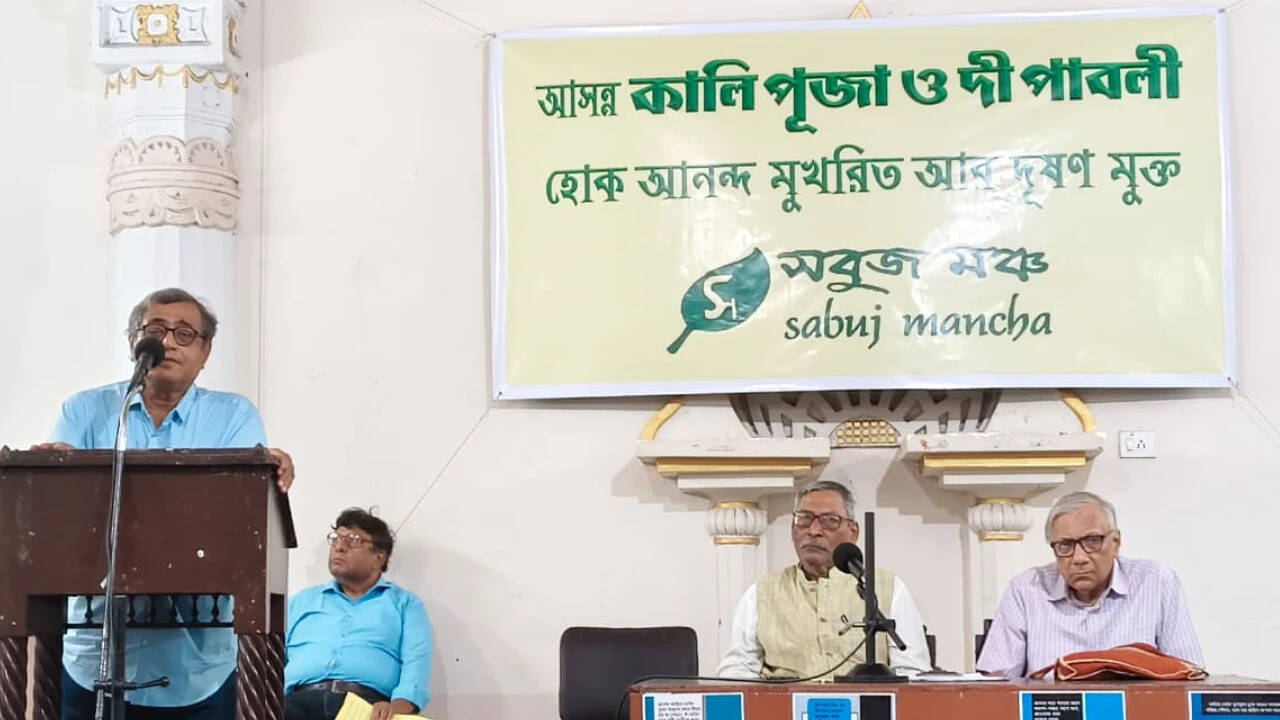
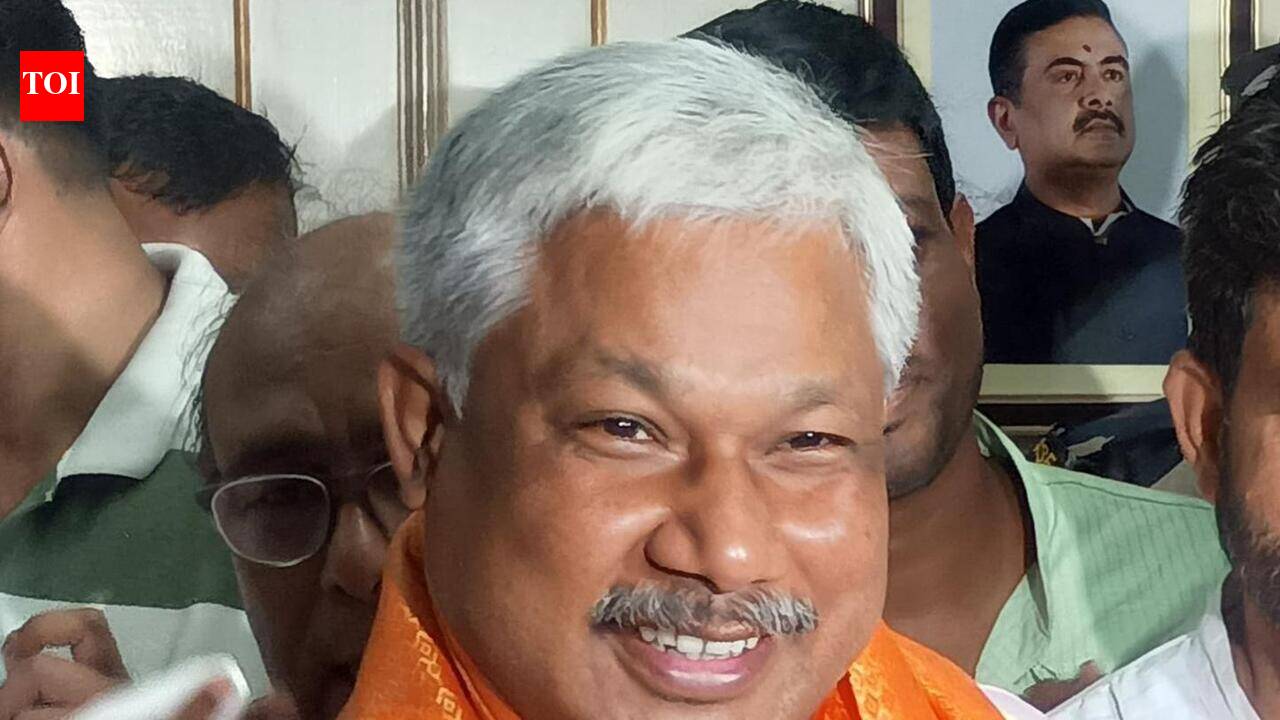
The West Bengal school education minister announced that teachers are permitted to hold memberships in non‑political organisations. The statement was made during a briefing in Kolkata, emphasising that while teachers can engage with NGOs, community groups and professional bodies, they must not be affiliated with political parties or parties’ affiliated organisations.
Key Developments
- The minister clarified that teachers may join non‑political organisations.
- Membership in political parties or politically aligned groups remains prohibited.
- The move is intended to provide clearer guidance on external affiliations for teaching staff.
Background & Context
Teachers in West Bengal have historically faced ambiguity regarding permissible external affiliations. Earlier guidelines were vague, leading to uncertainty among educators. The new clarification seeks to resolve these ambiguities by explicitly permitting non‑political involvement while maintaining a strict boundary against political party membership.
Impact & Analysis
- Professional Engagement: Teachers can actively participate in civic and professional groups, potentially enriching school‑community relations.
- Neutrality Assurance: By restricting political party membership, schools can preserve an unbiased learning environment.
- Administrative Clarity: Schools receive a definitive policy to incorporate in their staff handbooks and conduct codes.
- Potential Oversight: The Education Department will monitor compliance to ensure teachers do not cross the defined lines.
What Happens Next
- The Department of Education will circulate detailed guidelines outlining permissible organisations and the procedure for membership declaration.
- Schools will be given a 30‑day window to update internal policies and inform staff.
- A compliance review is expected in the next full board meeting of the Education Department.
The announcement is expected to influence teacher‑student dynamics and community outreach initiatives across West Bengal.